Why Is Happy Hour Called Happy Hour? The Naval Story

Happy hour is called “happy hour” because the phrase originally described a scheduled period of recreation intended to improve sailors’ morale, not discounted alcohol. The term is commonly traced to a 1913 social club aboard the USS Arkansas, while its modern meaning developed through Prohibition-era pre-dinner drinking and later restaurant promotions. Key Facts at a […]
Why Is Ice Important in Cocktails? Chill, Dilute, Balance
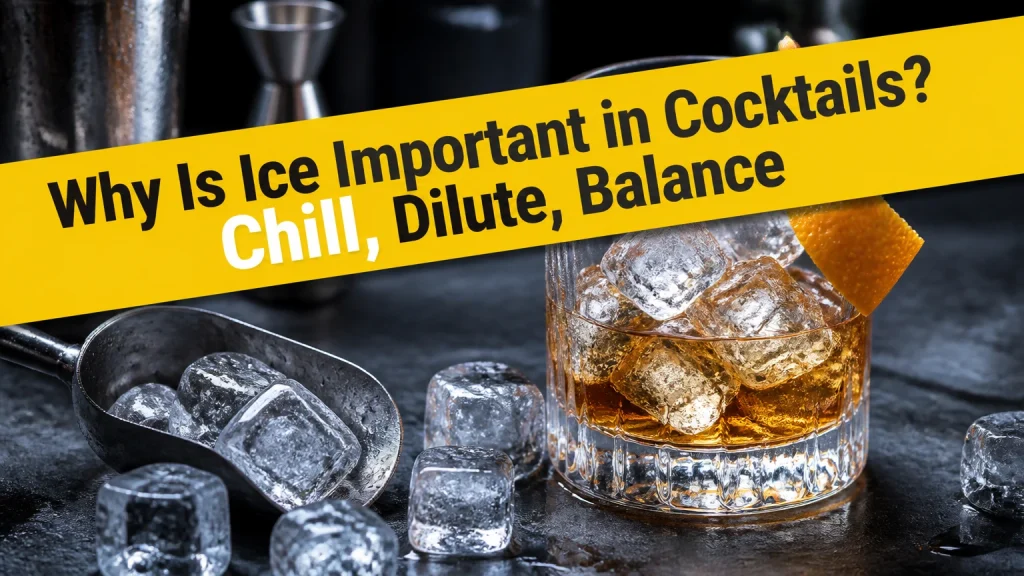
Ice is important in cocktails because it controls chilling, dilution, texture, aroma, and serving stability at the same time. As ice absorbs heat, some of it melts into the drink, lowering alcohol intensity and changing concentration; its size, shape, temperature, and quantity determine how quickly those changes occur. Key Facts at a Glance Why Is […]
How to Make a Martini: Cold, Balanced, Clear
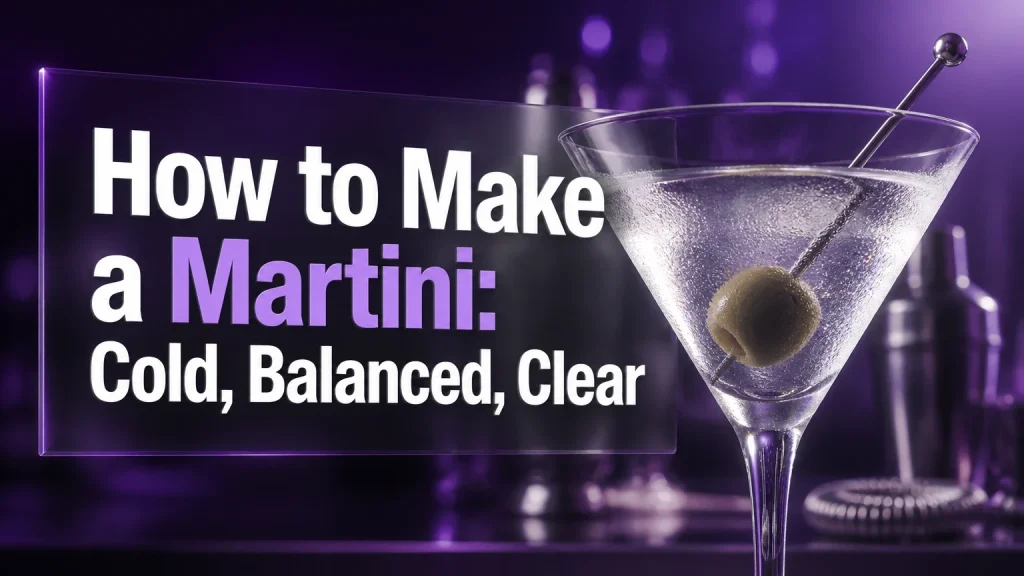
To make a Martini, stir 2 1/2 ounces of gin or vodka with 1/2 ounce of chilled dry vermouth over ice for 30-45 seconds, then strain into a cold cocktail glass. Finish with a lemon twist or olives. The most important variables are vermouth freshness, ice quality, final temperature, and controlled dilution. Key Facts at […]
How to Make Steak Frites: Crisp Fries in 90 Minutes
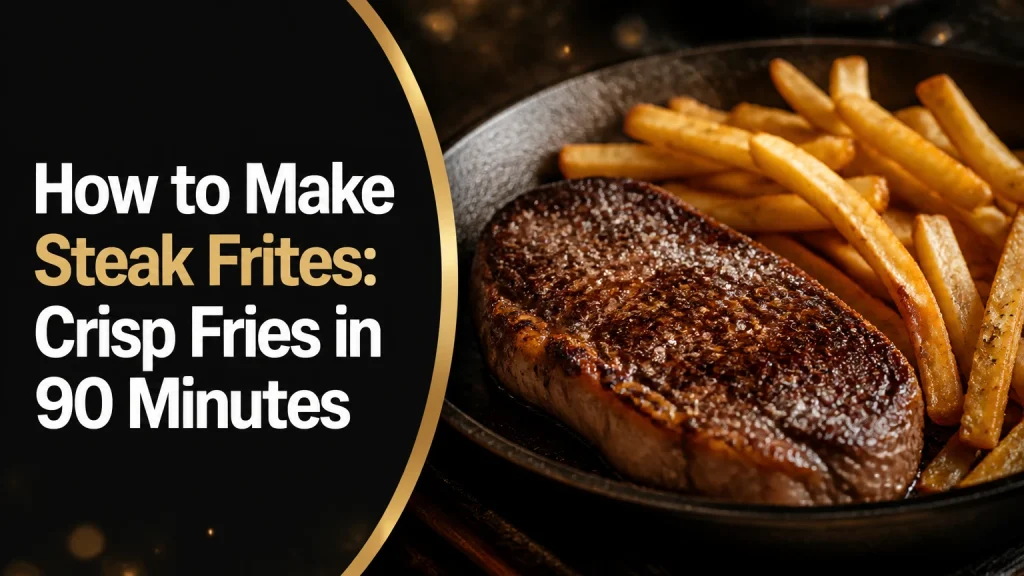
Steak frites combines a deeply browned pan-seared steak with twice-fried potato batons that are crisp outside and fluffy inside. For two servings, use 1.5-inch steaks, 1 pound of russet potatoes, and a thermometer; fry the potatoes at 325°F and 375°F, cook the beef to 125-130°F before resting, and serve immediately. Key Facts at a Glance […]
How to Make an Old Fashioned Without Over-Dilution
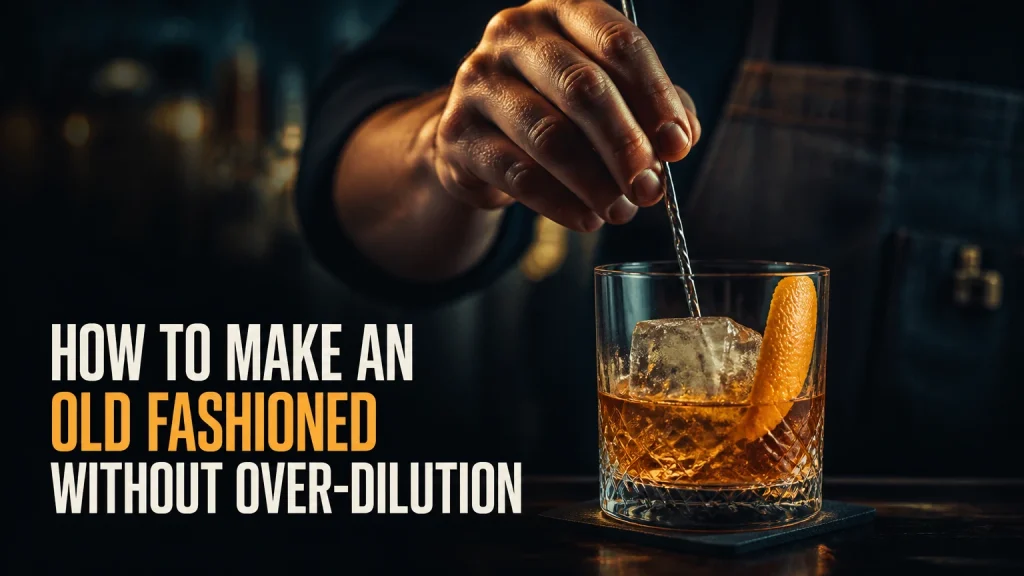
An Old Fashioned requires 2 ounces of bourbon or rye, 1 teaspoon of simple syrup, and 2 dashes of Angostura bitters. Stir those ingredients with ice for 20-30 seconds, strain over one large cube, and express an orange peel over the surface. The complete process takes about 3 minutes. Key Facts A standard Old Fashioned […]
How to Make Clear Ice for Cocktails That Stays Crystal Clear
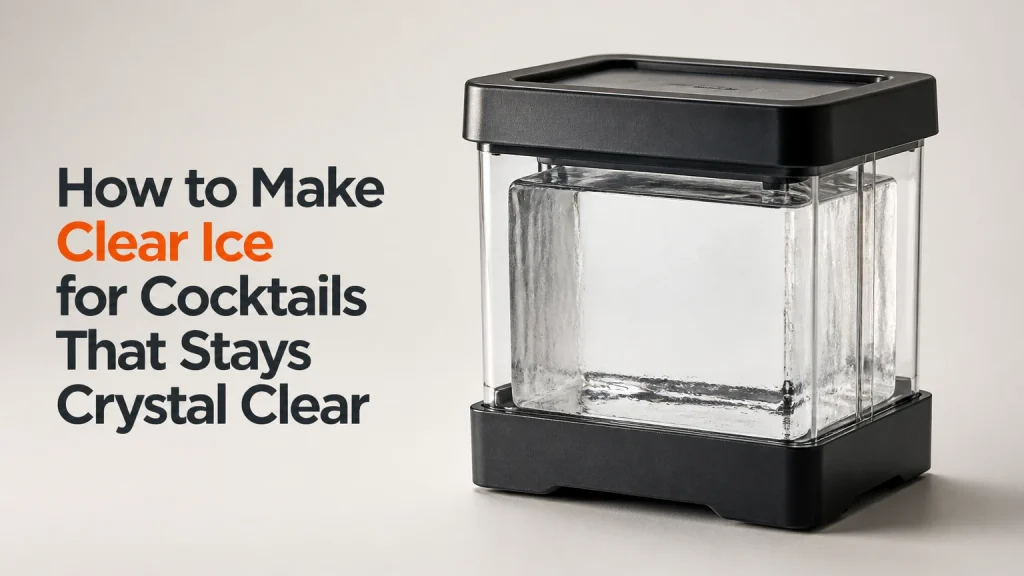
Clear ice for cocktails is made by freezing water directionally, from the exposed top downward, so air and dissolved minerals remain in unfrozen water instead of becoming trapped inside the ice. The most economical home method uses an uncovered insulated cooler, 18-36 hours of freezing, and careful draining, tempering, and cutting. Key Facts at a […]
Why Are Some Cocktails Stirred? Clarity, Texture, and Control
Some cocktails are stirred because stirring chills, dilutes, and combines spirit-forward ingredients while preserving clarity and a dense, silky texture. Shaking adds substantially more aeration and agitation, which benefits citrus, egg, cream, and fruit, but can make a Martini, Manhattan, or Negroni cloudy, foamy, and less polished. Key Facts at a Glance Why Are Some […]
How to Make a Cosmopolitan: A Balanced 15-Minute Recipe
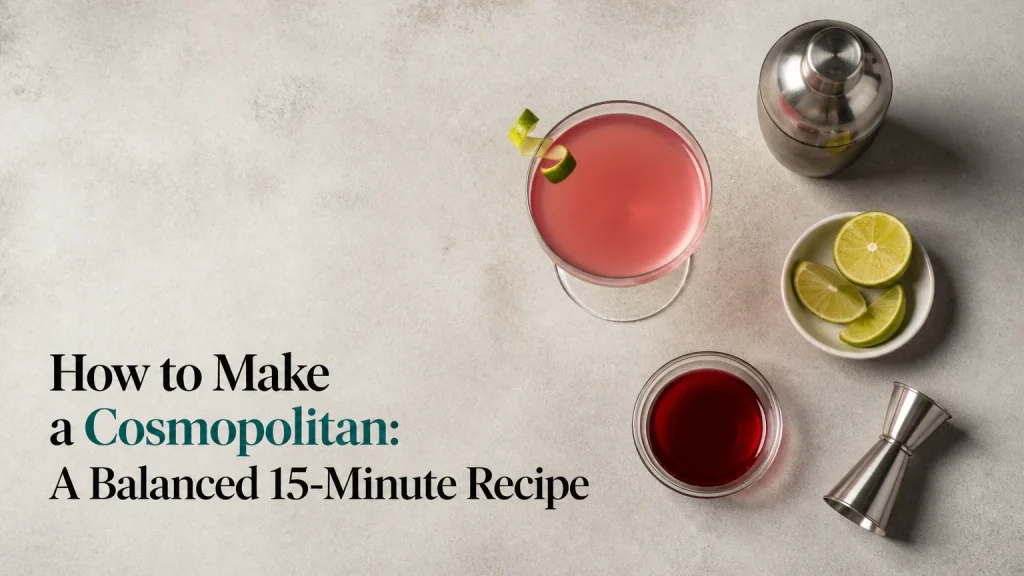
To make a Cosmopolitan, shake 45 ml citrus vodka, 22.5 ml triple sec, 22.5 ml fresh lime juice, and 15 ml cranberry juice cocktail with ice for 12-15 seconds. Double-strain the cold drink into a chilled coupe or Martini glass, then garnish with an expressed orange peel for a crisp, lightly tart, blush-pink cocktail. Key […]
How to Make a Bellini: A Balanced Venetian Cocktail
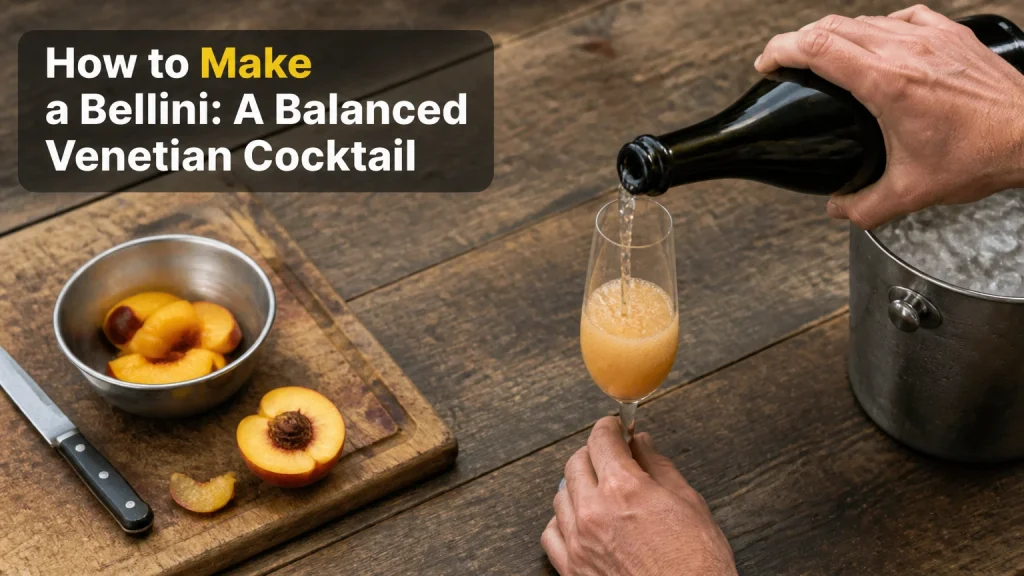
A Bellini is made by combining chilled white peach purée with chilled Prosecco, usually at a 2:1 wine-to-peach ratio. For one serving, add 2 ounces of smooth peach purée to a flute or coupe, pour in 4 ounces of Prosecco slowly, and gently fold once without shaking or adding ice. Key Facts / At a […]
How to Make Creme Brulee: Silky Custard, Crisp Crust
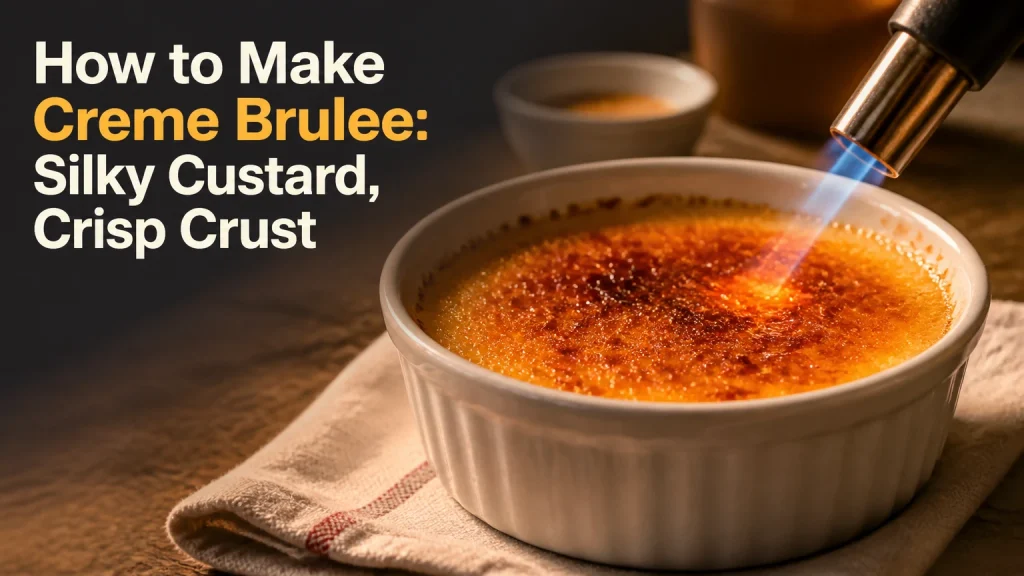
To make crème brûlée, gently bake a vanilla egg-yolk custard in a hot-water bath at 300°F (150°C), chill it for at least 4 hours, and torch a thin layer of sugar until crisp. Four servings take about 20 minutes of active work, 35-45 minutes to bake, and overnight chilling gives the cleanest texture. Key Facts […]