How to Make Crepes: Thin, Tender Crepes in 1 Hour
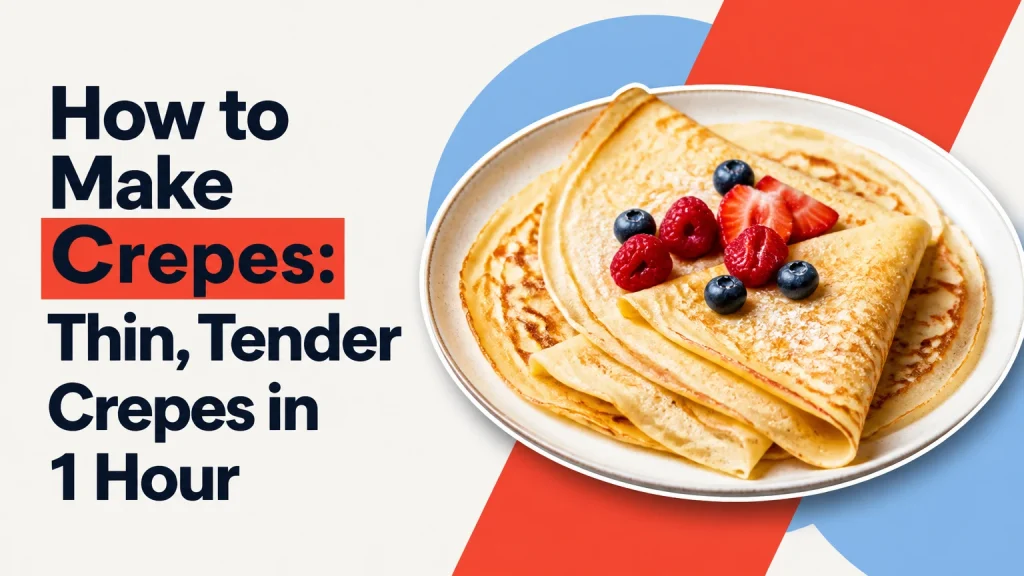
To make crepes, blend 1 cup flour, 2 eggs, 1 cup liquid, 2 tablespoons melted butter, and salt into a thin batter, then rest it for 30 minutes. Cook 1/4 cup portions in a lightly buttered 8- to 10-inch pan for about 90 seconds on the first side and 20 seconds on the second. Key […]
How to Make Aioli in 10 Minutes Without Splitting
Aioli is a garlic-flavored emulsion made by gradually dispersing oil into a water-based garlic mixture, traditionally with garlic and salt alone, or more reliably with egg yolk and lemon juice. For a stable homemade aioli, whisk one room-temperature egg yolk with garlic, lemon, salt, and 150 ml oil, adding the oil slowly until thick. Key […]
Why Is French Cuisine Famous? Techniques, History, and Taste
French cuisine is famous because it combined regional ingredients with codified techniques, professional kitchen organization, refined sauces, pastry expertise, and formal dining rituals. French cooking made culinary skill reproducible through methods such as mise en place, stock-making, braising, and controlled emulsions, then spread that system internationally through restaurants, schools, cookbooks, and chefs. Key Facts at […]
How to Make Bechamel Sauce: Silky Results Every Time
To make béchamel sauce, cook equal weights of butter and flour for 1-2 minutes, whisk in 300 ml warm milk gradually, then simmer for 5-8 minutes until smooth and spoon-coating. Season the finished white sauce with salt, white pepper, and nutmeg. The full method takes about 20 minutes and makes approximately 2 cups. Key Facts […]
Why Are Martinis Stirred Not Shaken? The Science
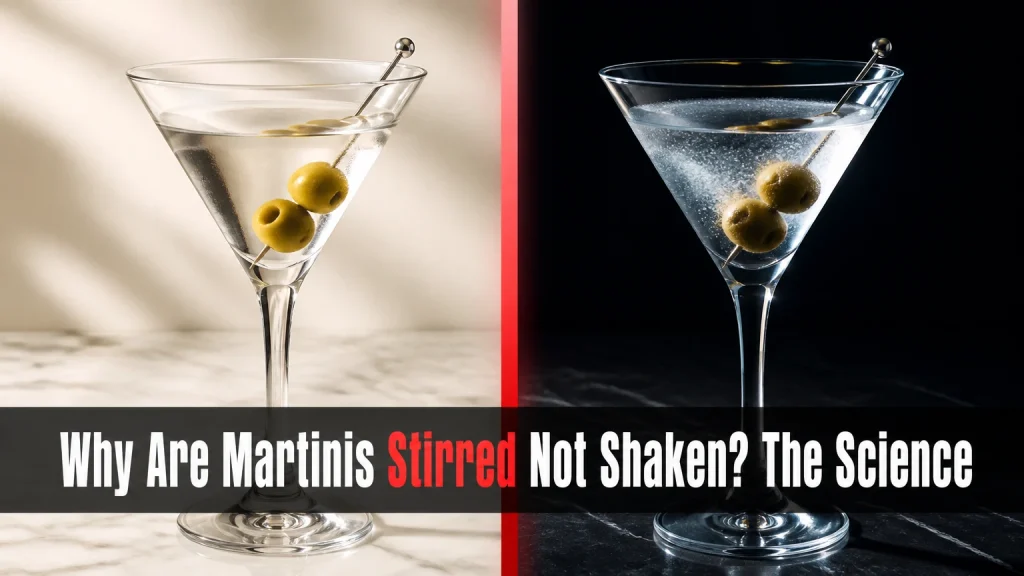
Martinis are stirred rather than shaken because a classic martini contains clear, spirit-based ingredients whose intended result is cold, diluted, clear, and silky. Stirring controls ice melt and mixing while preserving a dense texture, whereas shaking adds air, fractures ice, and can make the drink cloudy. Shaking remains a valid stylistic choice, especially for James […]
How to Make a Bloody Mary in 5 Minutes, From Scratch
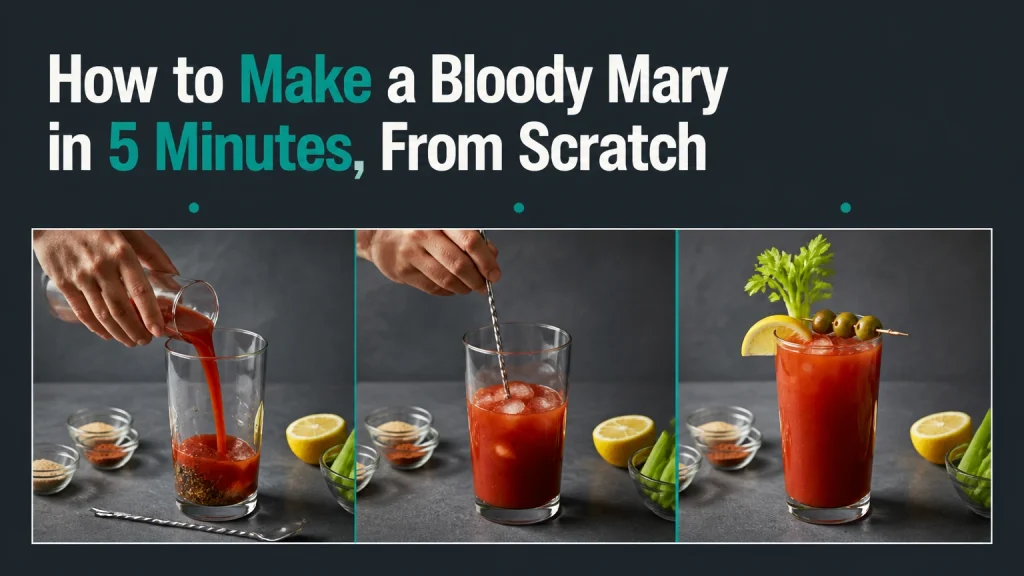
To make a Bloody Mary, combine 2 ounces of vodka, 4 ounces of chilled tomato juice, 1/2 ounce of fresh lemon juice, Worcestershire sauce, hot sauce, horseradish, celery salt, and pepper. Roll the mixture gently with ice, then pour it into a salt-rimmed glass and garnish with celery and lemon. Key Facts A standard Bloody […]
How to Make Croque Monsieur in 30 Minutes, Café Style
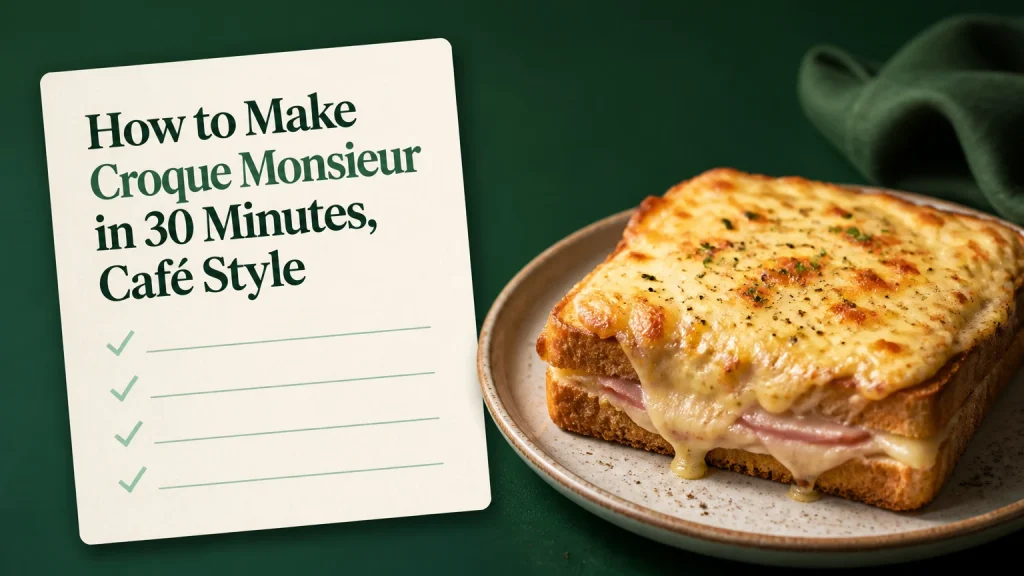
To make Croque Monsieur, layer ham and grated Gruyère between sturdy toasted bread, coat the top with Mornay sauce, bake at 400°F (200°C), then broil until browned and bubbling. The complete method makes two sandwiches in about 30 minutes, and pre-toasting the bread is the main safeguard against a soggy bottom. Key Facts at a […]
How to Make a Mimosa Without Flat Bubbles
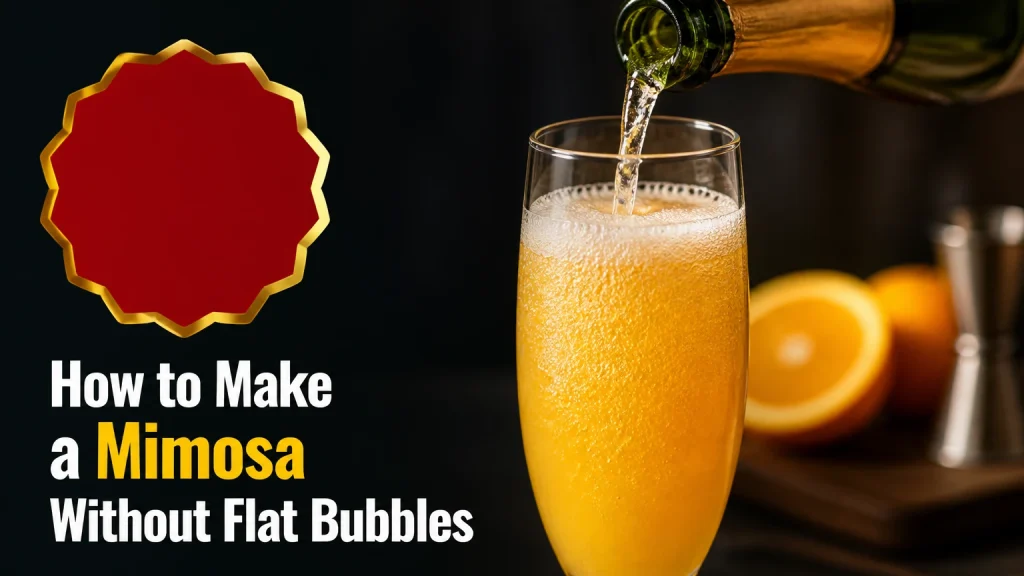
A mimosa is made by pouring chilled sparkling wine into a flute or tulip glass, then adding chilled orange juice in a 2:1 wine-to-juice ratio. Use brut Prosecco, Cava, or another dry sparkling wine, avoid ice and vigorous stirring, and serve the drink immediately while its carbonation is strongest. Key Facts at a Glance Before […]
How to Make Ratatouille for Deep, Tender Flavor
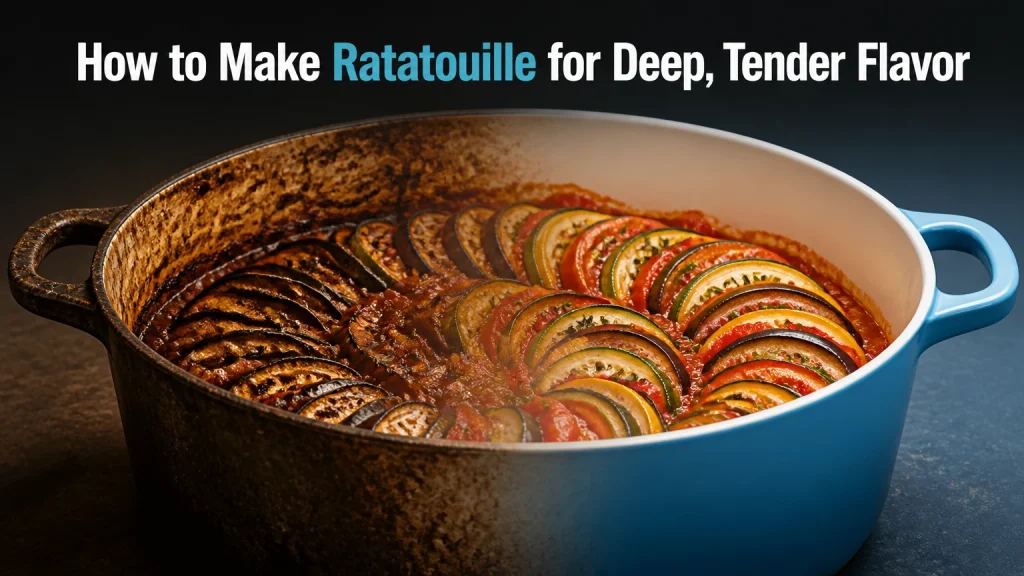
Ratatouille is a Provençal vegetable stew made with eggplant, zucchini, peppers, tomatoes, onion, garlic, olive oil, and herbs. To make it well, brown the eggplant and zucchini separately, build a concentrated tomato base, then simmer the vegetables gently for 30-40 minutes and rest the finished dish before serving. Key Facts at a Glance What Is […]
Why Does Cocktail Ice Melt Slowly? The Physics Explained
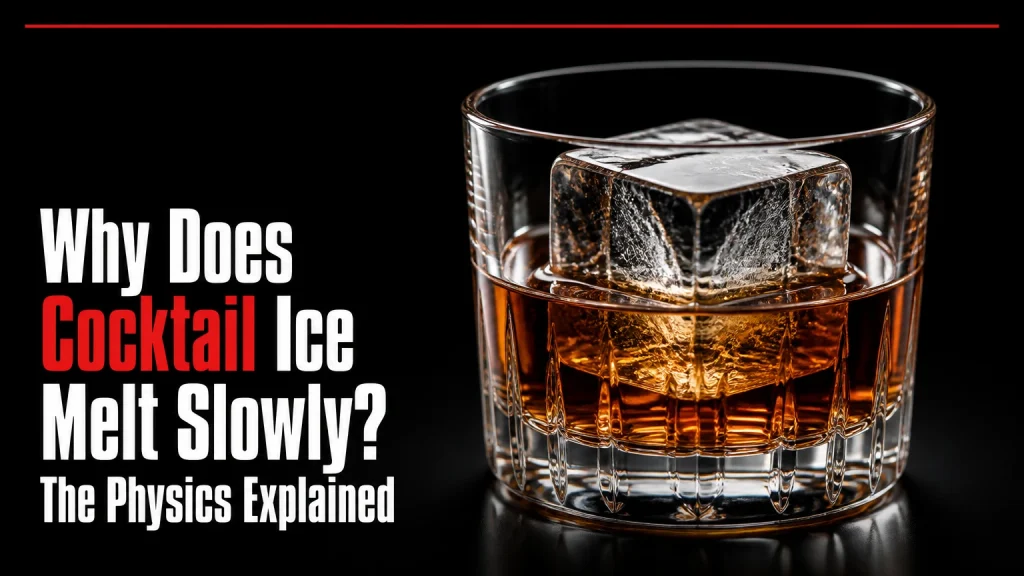
Cocktail ice melts slowly because a large, dense ice piece exposes less surface area relative to its volume, while clear ice contains fewer cracks and air pockets that can break apart in the drink. Melting still occurs, because ice absorbs heat through latent heat of fusion, but a large intact cube chills the liquid with […]