How to Make Shrimp Ceviche Safely and Freshly
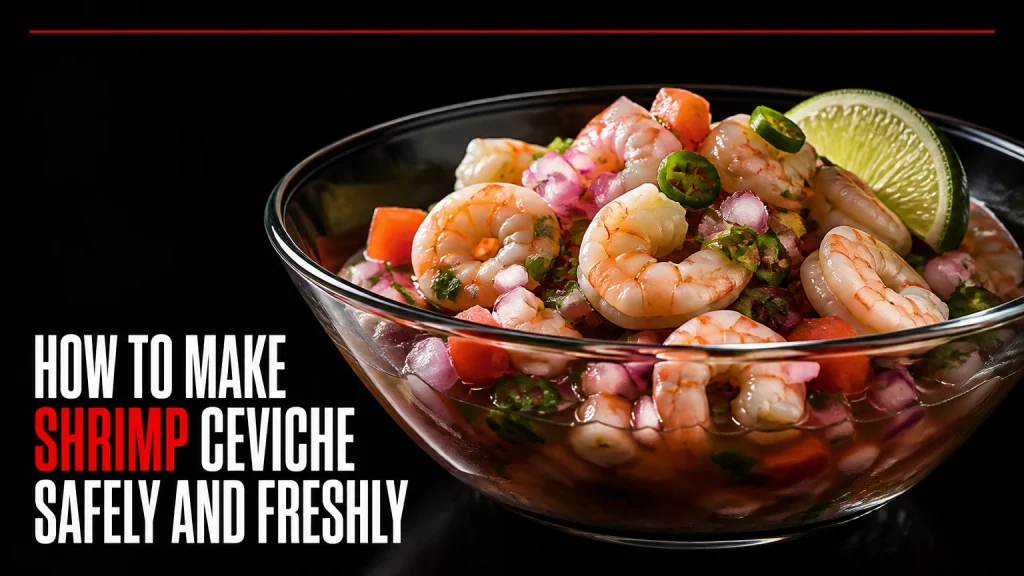
Shrimp ceviche combines bite-size shrimp, fresh citrus juice, onion, chile, herbs, and vegetables in a cold preparation that firms the shrimp through acid denaturation. For the most predictable result, blanch 1 pound of shrimp for 60 seconds, chill it immediately, then marinate it with 3/4 cup lime juice for 10-15 minutes before mixing and serving. […]
Why Is Basil Used in Italian Food? Flavor and Tradition
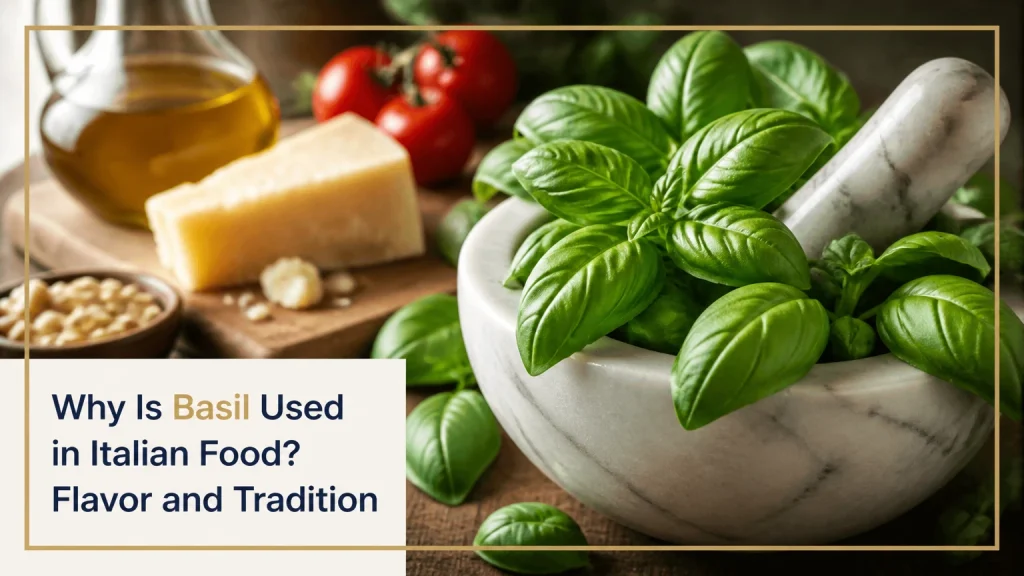
Basil is used in Italian food because its sweet, floral, lightly peppery aroma balances acidic tomatoes, rich olive oil, salty cheese, and savory garlic without overwhelming them. Italian cooks also value basil’s seasonal freshness, especially in Liguria, Campania, and Sicily, where local varieties became tied to pesto, tomato sauces, pizza, salads, and summer cooking. Key […]
Why Is Pasta Cooked Al Dente? The Science Behind It
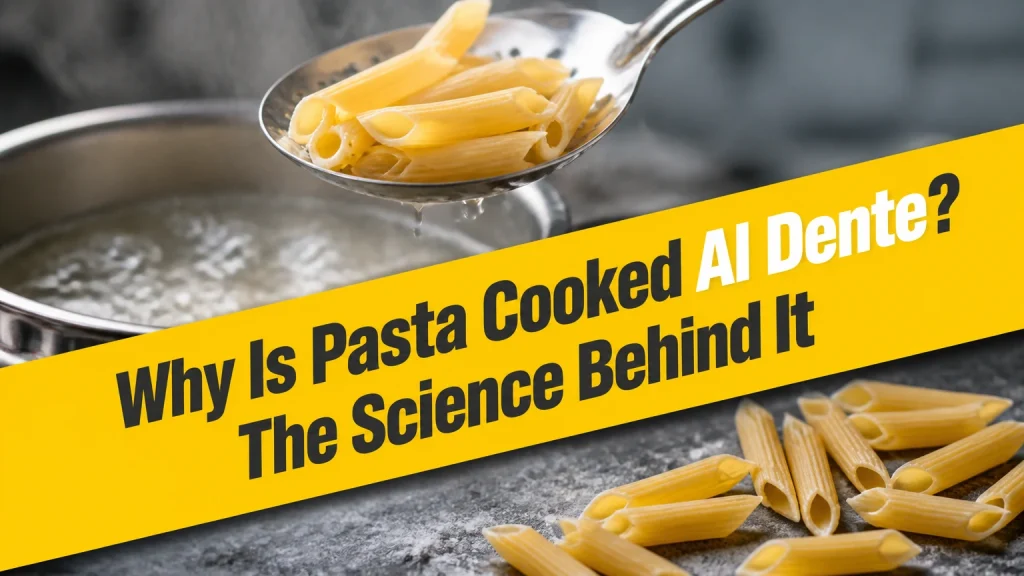
Pasta is cooked al dente because a firm, resilient structure gives the noodle better texture, keeps it intact during sauce finishing, and limits the watery softness caused by excess hydration. Al dente means “to the tooth”: the pasta is fully hydrated and edible, yet still offers resistance when bitten rather than collapsing into mush. Key […]
Why Add Salt to Pasta Water? Season Pasta Better Within
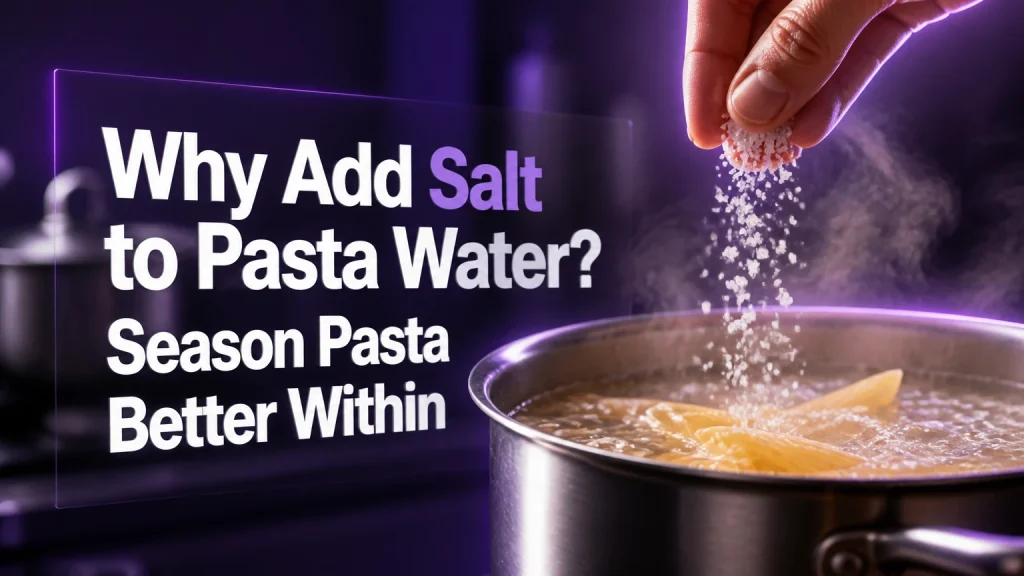
Salt is added to pasta water primarily to season the pasta itself while dry noodles absorb water during cooking. Salted water gives the noodles a savory baseline that sauce alone cannot fully supply, while its effects on starch, stickiness, and texture are comparatively small at normal kitchen concentrations. Salt does not meaningfully make pasta cook […]
Why Are Tomatoes Important in Italian Cooking? A Culinary Guide
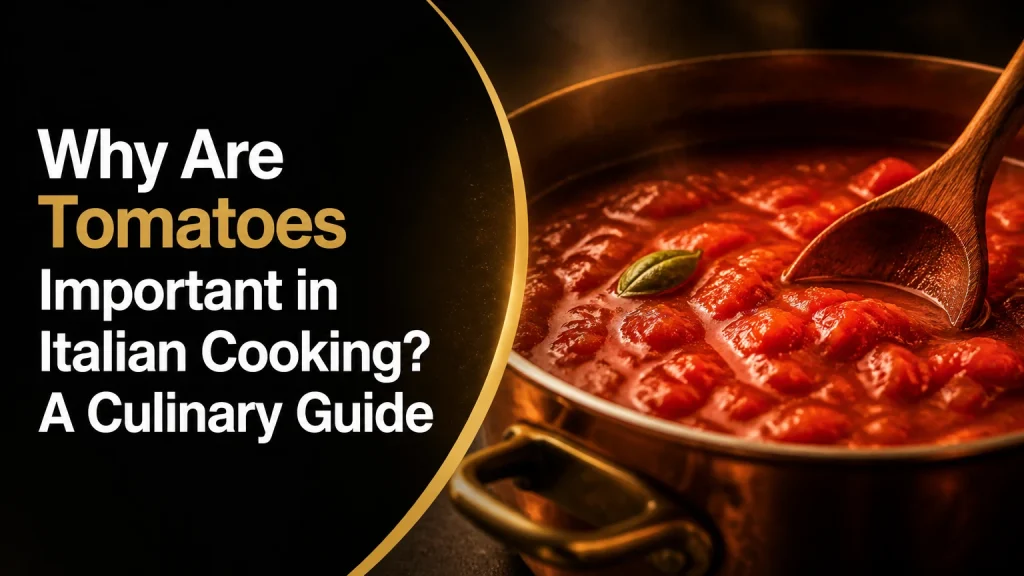
Tomatoes are important in Italian cooking because they combine acidity, sweetness, glutamate-rich savoriness, moisture, color, and flexible texture in one ingredient. Italian cooks use fresh, dried, preserved, puréed, and concentrated tomatoes to balance fat, season pasta and meat, preserve summer produce, and create regional dishes ranging from Neapolitan pizza to Sicilian pasta con le sarde. […]
Why Is Mediterranean Food Healthy? Evidence-Based Guide
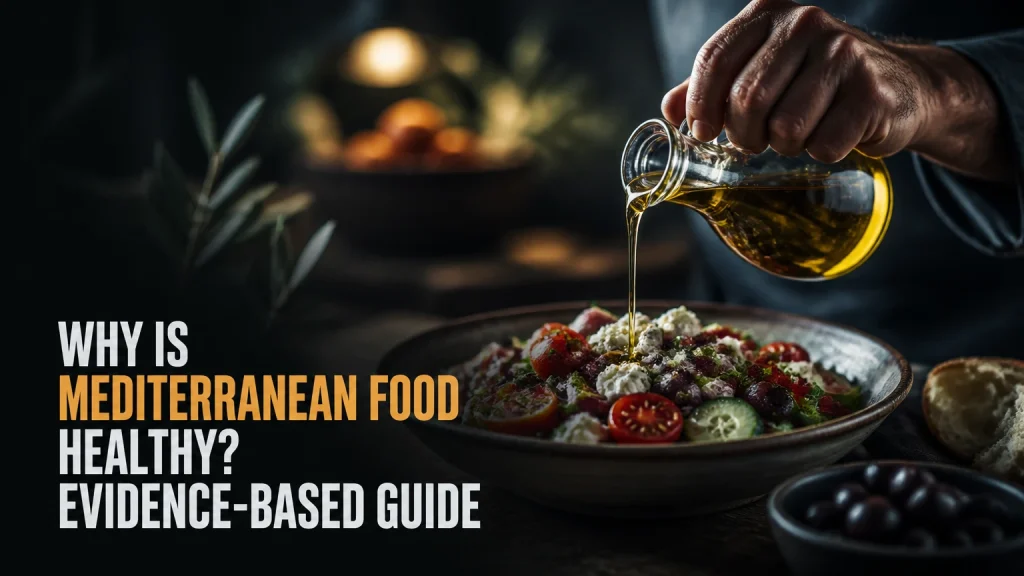
Mediterranean food is healthy because its overall pattern replaces refined carbohydrates, processed meats, and excess saturated fat with vegetables, legumes, whole grains, nuts, fish, and extra-virgin olive oil. That combination supplies fiber, unsaturated fat, minerals, and plant compounds that can improve cardiovascular risk factors while remaining flexible enough for long-term adherence. Key Facts at a […]
Why Is Mozzarella Stored in Water? The Texture Science
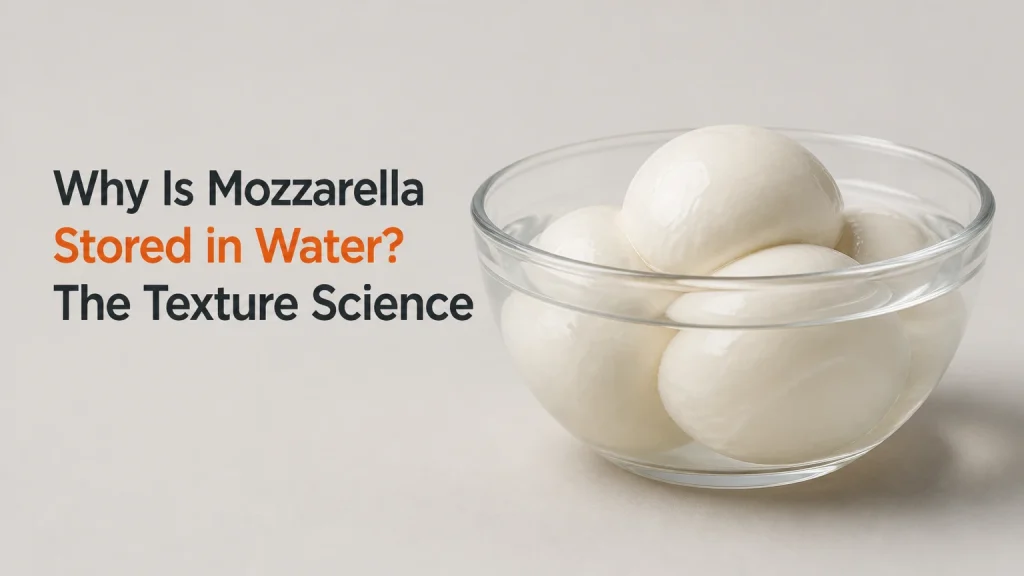
Fresh mozzarella is stored in water, light brine, or whey because the cheese contains enough moisture to dry rapidly in ordinary refrigerator air. The packing liquid slows evaporation, protects the tender protein network from forming a leathery skin, and helps preserve mozzarella’s soft, milky texture. The liquid also limits direct exposure to refrigerator odors when […]
How to Make Mojo Sauce: Cuban Recipe in 20 Minutes
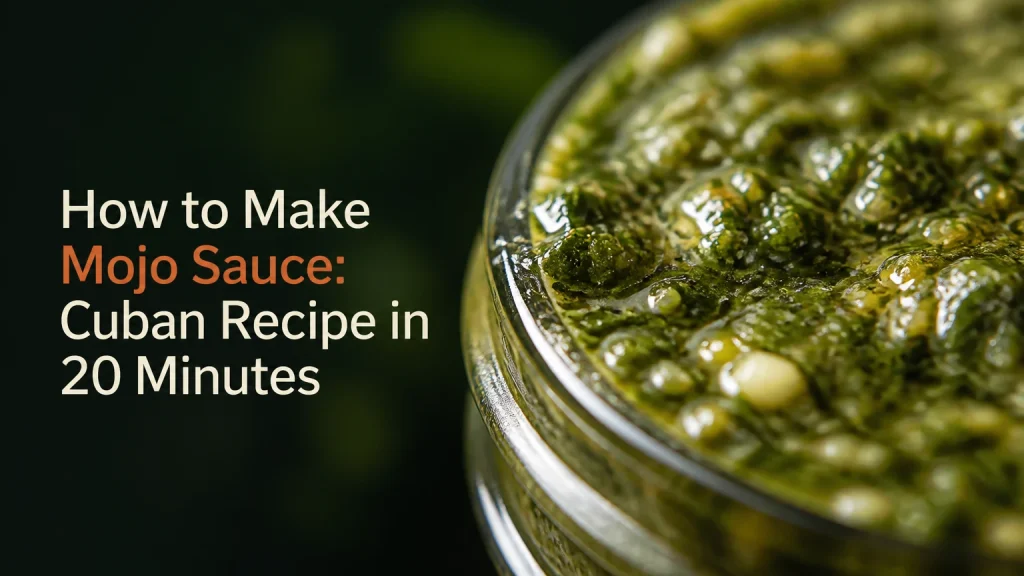
Mojo sauce is a Cuban garlic-and-citrus condiment made by combining bitter orange juice, garlic, olive oil, cumin, oregano, salt, and pepper. To make it, crush the aromatics, mix in the citrus, pour over gently heated oil, and rest the sauce for 10 minutes. The result is enough for about 1.5 cups. Key Facts Cuban mojo […]
How to Make Empanadas: Crisp, Golden Crust in 2 Hours
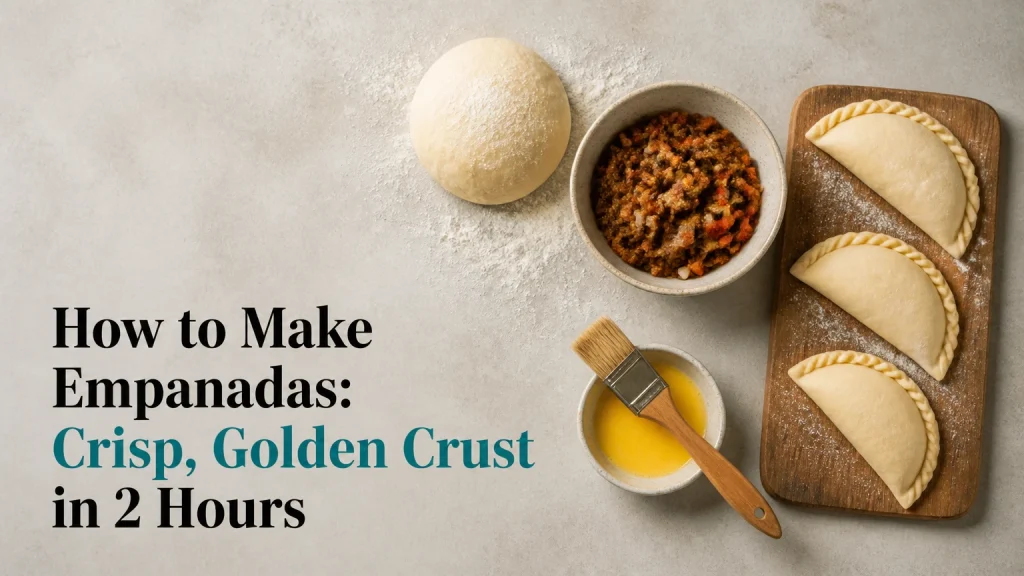
Empanadas are filled pastry turnovers made by enclosing a seasoned filling in dough, sealing the edges, and baking or frying the packets until crisp. To make reliable homemade empanadas, prepare a tender dough, cook and completely chill a fairly dry filling, portion it carefully, seal out trapped air, and cook at the correct temperature. Key […]
Why Is the Mediterranean Diet Healthy? The Evidence Explained
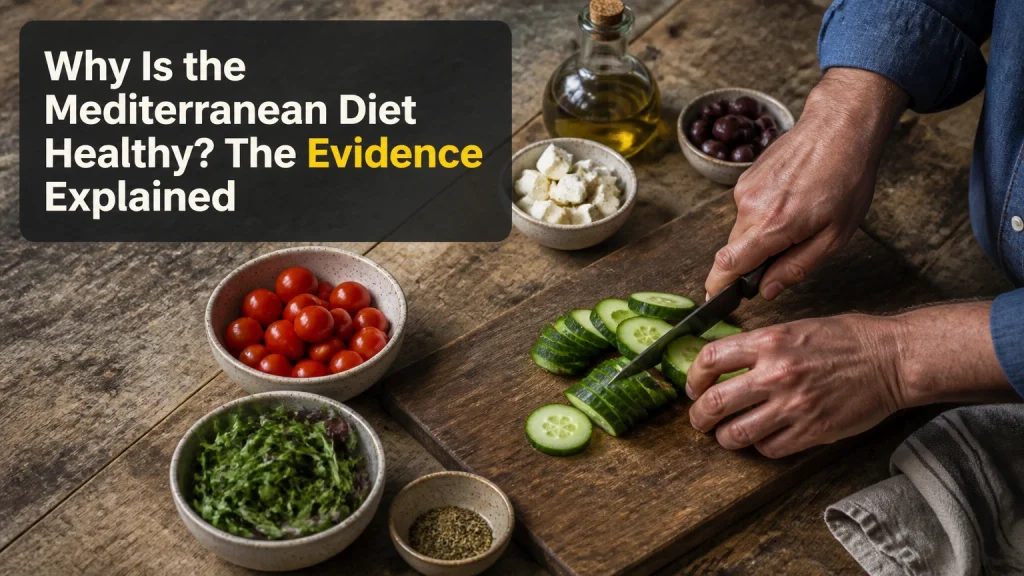
The Mediterranean diet is healthy because it replaces refined carbohydrates, processed meats, excess sodium, and saturated fats with vegetables, fruit, legumes, whole grains, nuts, fish, and extra-virgin olive oil. That combination supplies fiber, unsaturated fats, minerals, and polyphenols while improving overall food quality, blood lipids, blood pressure, and metabolic health. Key Facts at a Glance […]