Why Is Cilantro Used in Latin Food? Flavor and History
Cilantro is used in Latin food because its fresh, citrusy, peppery aroma adds contrast to chiles, beans, corn, meat, seafood, and rich sauces. The herb became widespread in the Americas after Spanish colonization, then entered distinct indigenous, Caribbean, Central American, Mexican, and South American cooking traditions. Its role is culinary and cultural, not merely decorative. […]
How to Make Sweet Plantains: 20-Minute Maduros
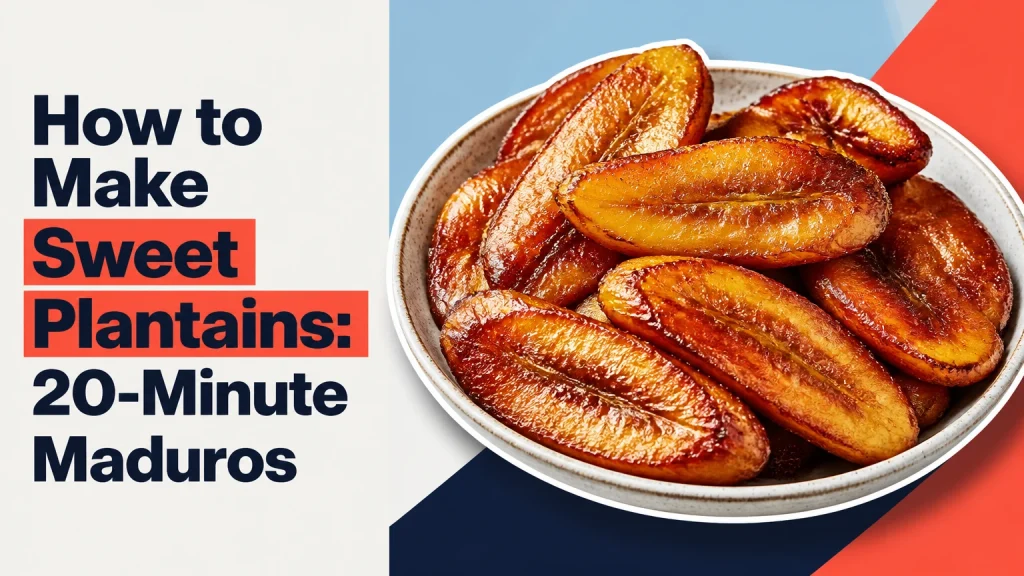
To make sweet plantains, slice deeply ripe yellow plantains with heavy black spots, then fry them in 340-355°F oil for 5-7 minutes until caramelized outside and custardy inside. Drain, rest for 2 minutes, and add a small pinch of salt. The full process takes about 20 minutes, including peeling and heating the pan. Key Facts […]
How to Make Cuban Black Beans: Sofrito Method
Cuban black beans, traditionally called frijoles negros, are made by simmering tender black beans with a cooked sofrito of onion, green bell pepper, garlic, oregano, cumin, and olive oil. The most dependable method uses dry beans, adds the sofrito after the beans soften, then thickens the cooking liquid with mashed beans and finishes with vinegar. […]
Why Is Lime Used in Latin Cooking? Acid and Cal
Citrus lime is used in Latin cooking to add acidity, aroma, and contrast, especially in ceviche, salsas, meats, beans, and tacos. Mineral lime, called cal or calcium hydroxide, has a different job: it transforms dried corn through nixtamalization, creating nutritious, pliable masa for tortillas and tamales. Key Facts at a Glance Why Does Citrus Lime […]
How to Make Arroz Con Pollo: Juicy Chicken, Fluffy Rice
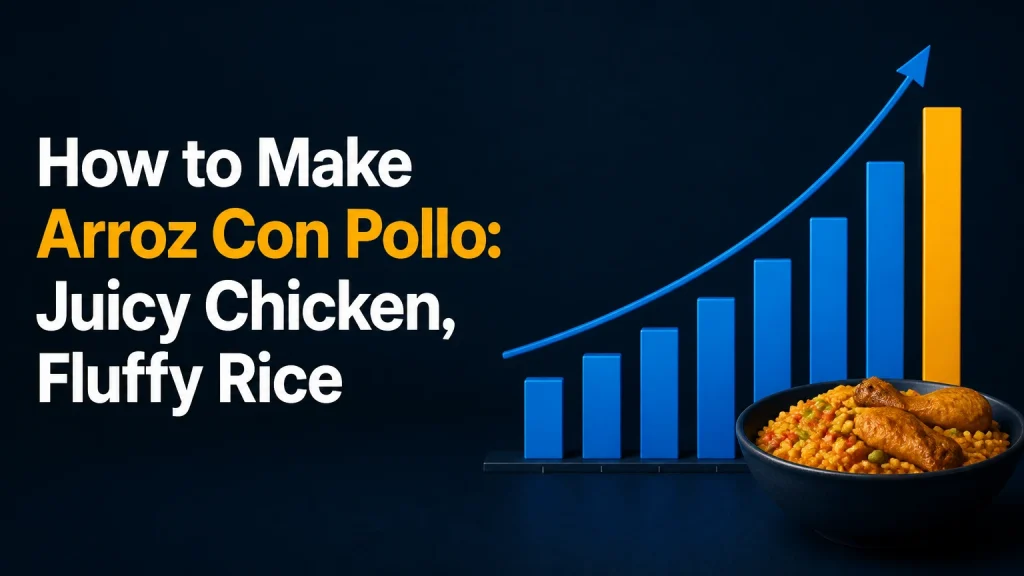
Arroz con pollo is made by browning seasoned chicken, cooking aromatics and tomato in the rendered fat, toasting rinsed rice, then simmering the rice in chicken broth while the chicken finishes under a tight lid. This one-pot method takes about 60 minutes and succeeds when the rice receives measured liquid and remains undisturbed during steaming. […]
How to Make Beef Empanadas: Bake or Fry in 90 Minutes
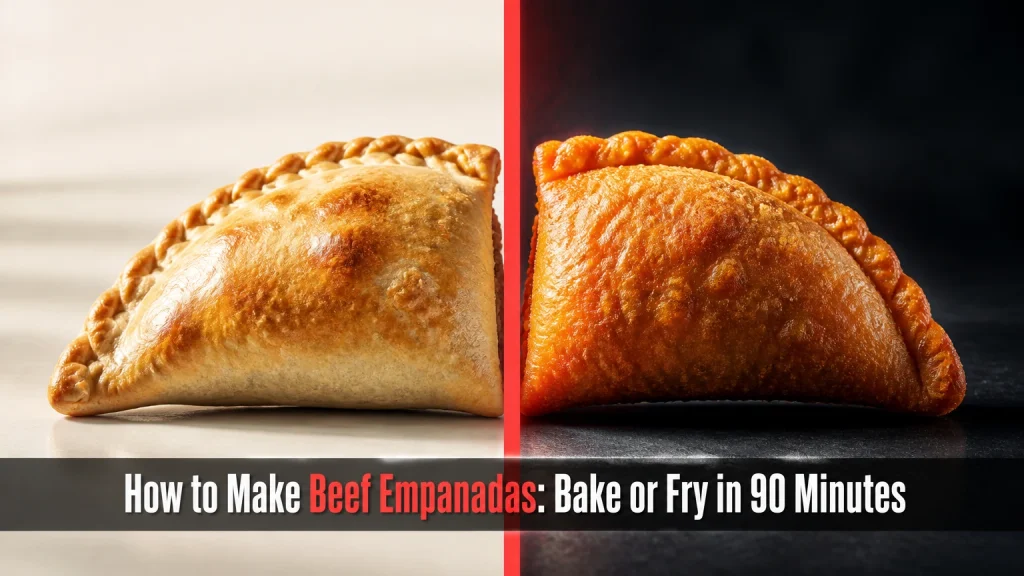
Beef empanadas are filled turnovers made from wheat-flour pastry and seasoned beef picadillo. This Argentine-style version makes 12 empanadas in about 90 minutes of active and cooking time, plus chilling, by combining a tender dough, fully cooked cold filling, careful sealing, and either a 425°F bake or 350°F fry. Key Facts This recipe yields 12 […]
Why Is Cuban Food Popular in Florida? History and Culture
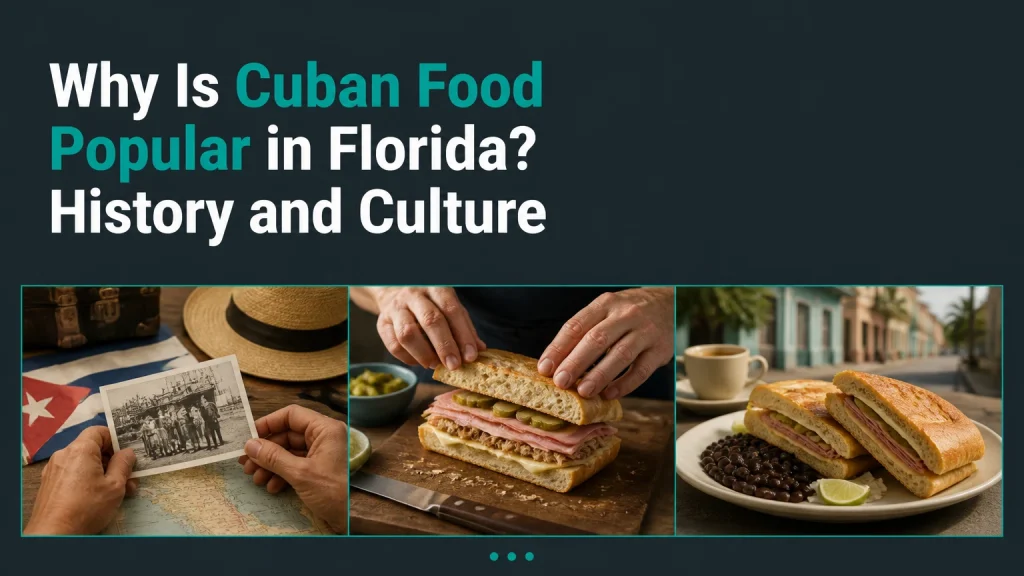
Cuban food is popular in Florida because geography, repeated immigration, and everyday affordability reinforced one another for more than a century. Cuban communities established bakeries, cafeterias, cigar-town neighborhoods, and coffee rituals in Key West, Tampa, and Miami, allowing dishes such as the Cuban sandwich, ropa vieja, and cafecito to become familiar to residents and visitors […]
How to Make Tostones: Crispy, Garlic-Seasoned Plantains
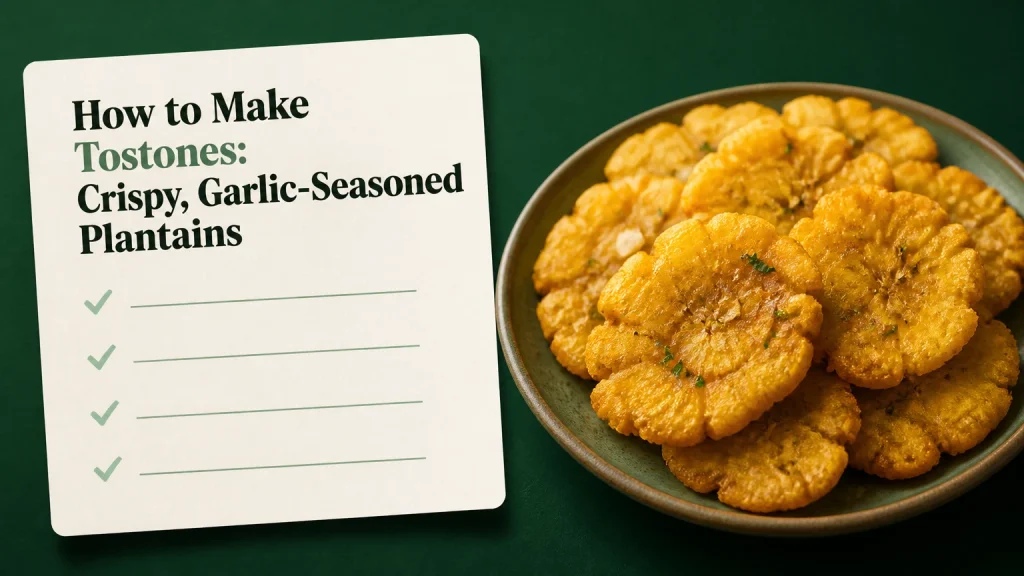
Tostones are twice-fried green plantain slices with a crisp, savory exterior and a tender, starchy center. To make them, peel and cut firm green plantains, fry the pieces until tender, flatten them, then fry them again at higher heat and salt them immediately. The complete stovetop method takes about 30 minutes. Key Facts at a […]
How to Make Ceviche: Peruvian Fish in 20 Minutes
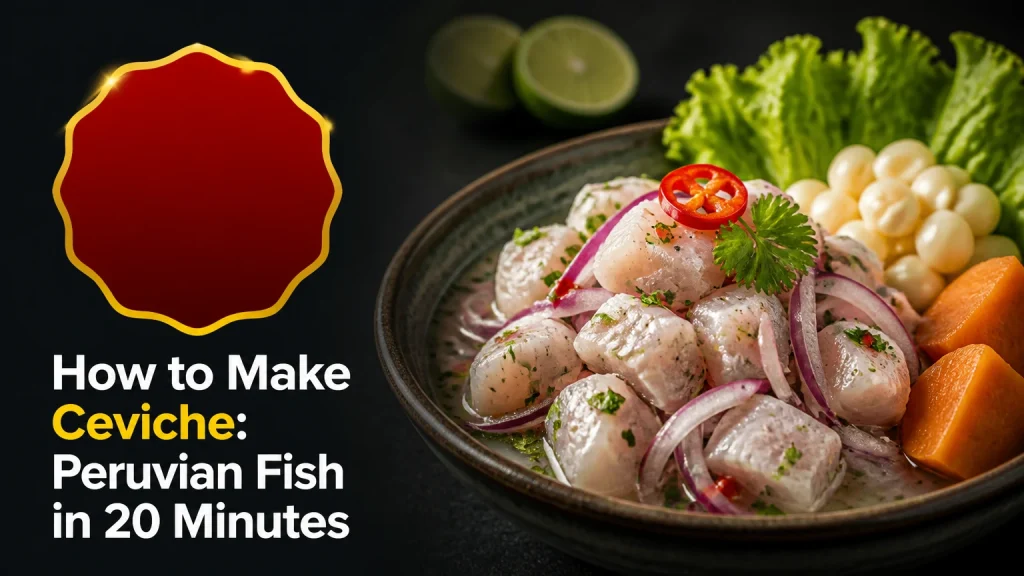
Ceviche is made by briefly curing very fresh, parasite-controlled fish in cold fresh lime juice, then seasoning it with salt, red onion, chili, and cilantro. For classic Peruvian ceviche, cut 450 g of lean white fish into 2 cm cubes, salt it, add lime juice, cure it for 2-5 minutes, and serve immediately. Key Facts […]
Why Add Pasta Water to Sauce? The Starch Secret
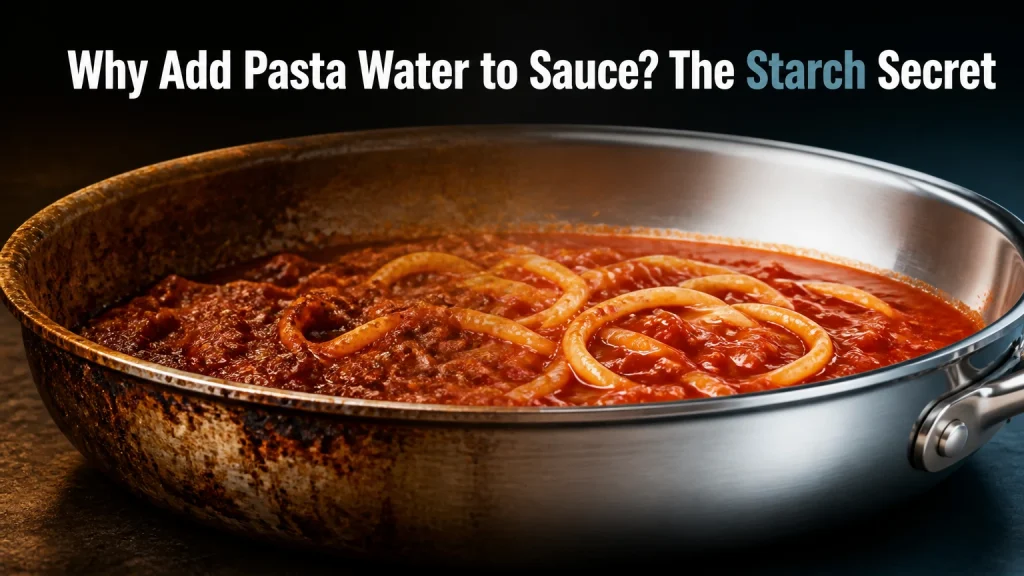
Pasta water helps sauce cling to noodles because dissolved starch thickens the watery phase and stabilizes the mixture of water, oil, butter, cheese, and sauce ingredients. Adding a small amount while tossing pasta over heat creates a glossy, cohesive coating instead of a thin sauce that pools beneath the noodles. Key facts at a glance […]