Why Are Plantains Popular in Latin America: History and Uses
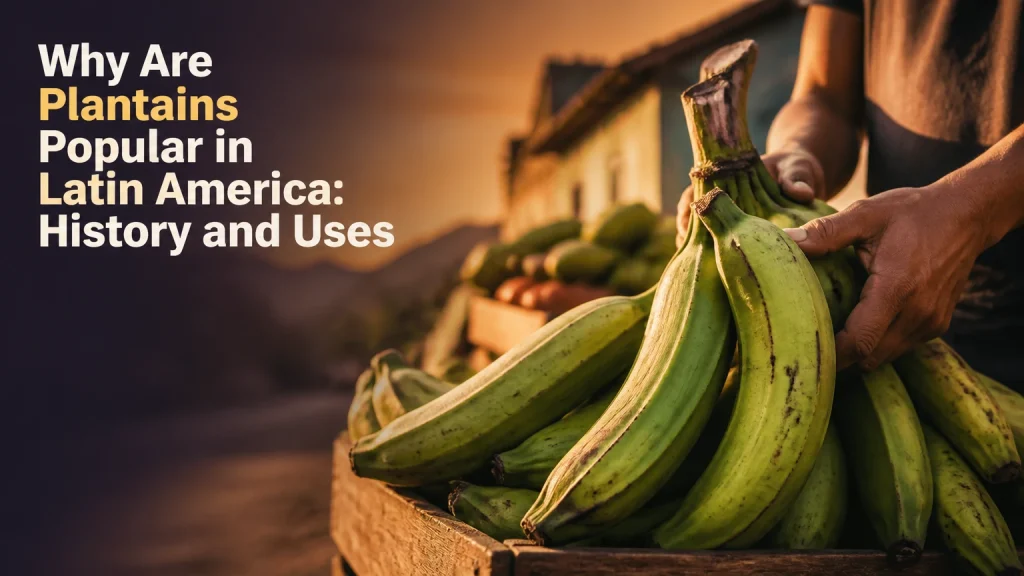
Plantains are popular in Latin America because they combine reliable tropical production, low cost, high starch content, and unusual culinary range. A single fruit can become a crisp tostone, a sweet maduros side dish, a mashed mofongo, or a component of soup, making plantains useful across regional cuisines, income levels, and stages of ripeness. Key […]
How to Cook Plantains: Crispy Results in Every Stage
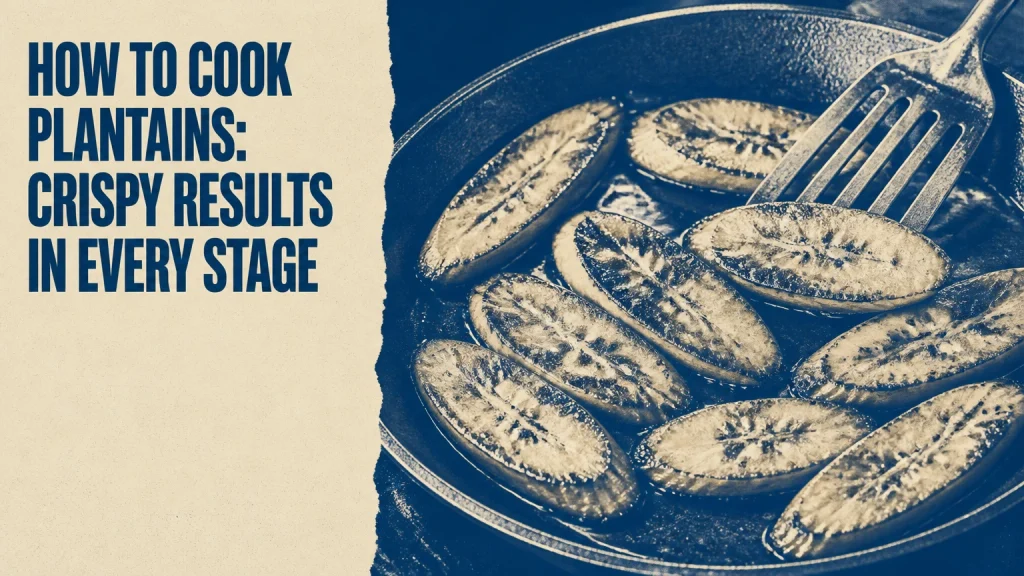
To cook plantains, match the method to ripeness: fry green plantains twice for crisp savory tostones, pan-fry yellow or black plantains for caramelized maduros, or bake and boil them for lower-fat sides. The decisive factors are peel color, moderate heat for ripe fruit, and cooking until the center is fully tender. Key facts at a […]
How to Make Ropa Vieja: Tender Cuban Beef

Ropa Vieja is a Cuban shredded-beef dish made by braising a 2- to 2.5-pound cut with onions, bell peppers, garlic, tomatoes, cumin, oregano, and broth until tender. The cooked beef is pulled into long strands, returned to a reduced sauce, and finished with olives for a savory, slightly briny flavor. Key Facts at a Glance […]
Why Are Rice and Beans Eaten Together? The Protein Logic
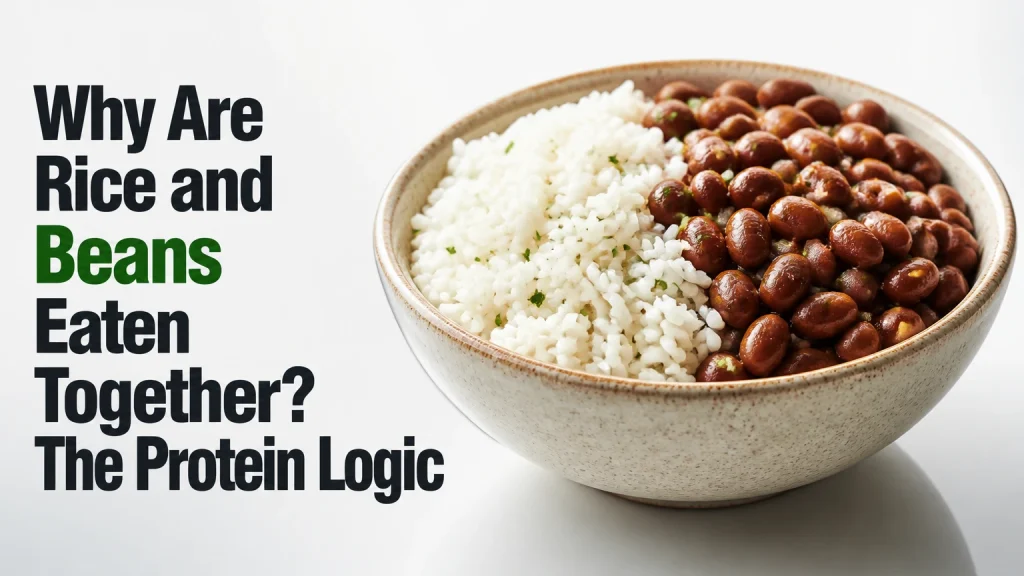
Rice and beans are eaten together because their amino acid patterns complement one another: rice contributes relatively more sulfur-containing amino acids, while beans contribute more lysine. Together, they can provide all nine essential amino acids, while also delivering affordable calories, plant protein, fiber, minerals, and long storage life. Key Facts Rice and beans complement each […]
Why Is Ceviche Cooked in Lime Juice? The Science and Safety
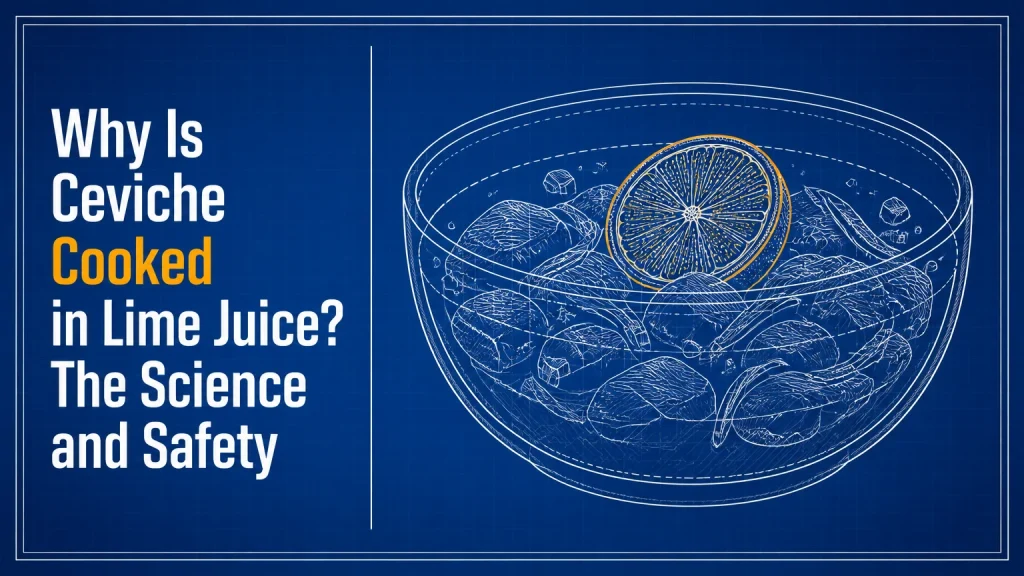
Ceviche is “cooked” in lime juice because citric acid denatures seafood proteins, changing translucent muscle into an opaque, firmer texture without applying heat. The fish remains uncooked in the food-safety sense: lime juice can alter proteins and reduce some microbes, but it cannot reliably eliminate all bacteria, viruses, or parasites. Key facts at a glance […]
How to Make a Cuban Sandwich: Pressed in 8 Minutes
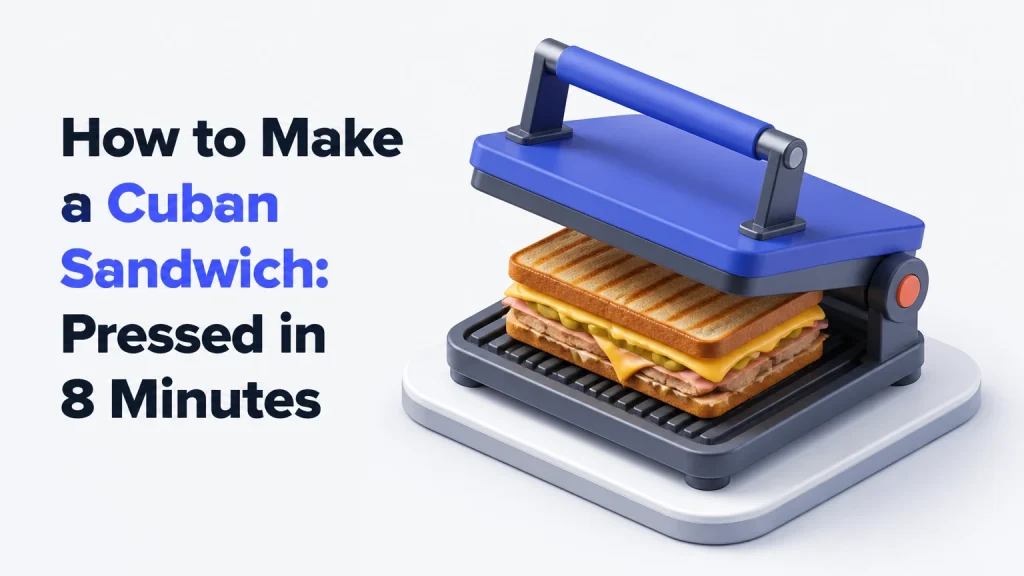
A Cuban sandwich, or Cubano, is made by layering mustard, Swiss cheese, sweet ham, thinly sliced mojo pork, dill pickles, and Cuban bread, then pressing the assembled sandwich until the bread crisps and the cheese melts. Allow 4-12 hours to marinate the pork, 3-4 hours to roast it, and 6-8 minutes to press each sandwich. […]
Why Does Ceviche Turn White? The Protein Chemistry
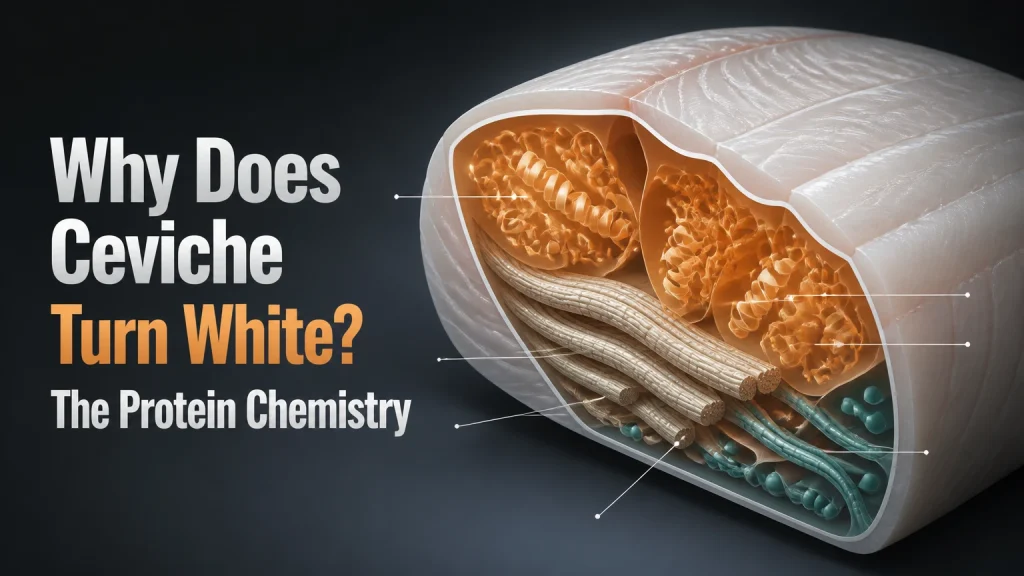
Ceviche turns white because citrus acid denatures and aggregates proteins in the fish muscle. Hydrogen ions disrupt the proteins’ original folded structure, causing them to unfold and form a new network that scatters light, changing translucent raw flesh into opaque white or pale colored flesh. Key Facts at a Glance Why Does Ceviche Turn White? […]
How to Make Cuban Bread: Crisp-Crust Home Recipe
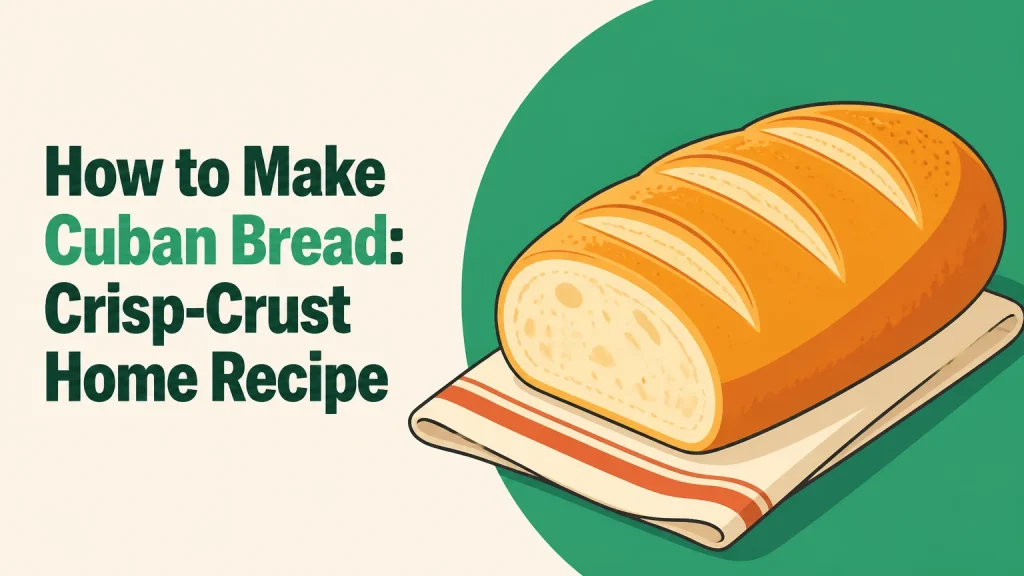
Cuban bread, or Pan Cubano, is a long, pale loaf with a thin crisp crust, soft close-textured crumb, and a small amount of lard or shortening. To make it at home, mix a moderately firm dough, give it one substantial rise, shape two narrow loaves, create a center seam, and bake with steam for about […]
How to Make Pico De Gallo That Stays Crisp
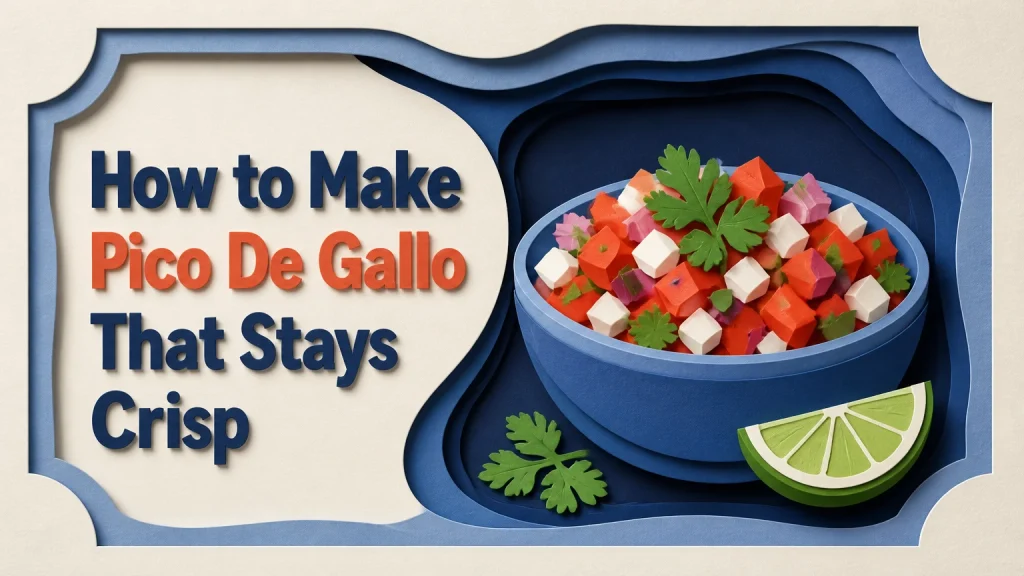
Pico de gallo is made by hand-dicing ripe tomatoes, white onion, fresh chile, cilantro, and lime juice, then seasoning the mixture with salt and resting it for 15-30 minutes. The best texture comes from firm tomato flesh, consistent cuts, restrained lime, and serving the raw salsa within four hours. Key Facts at a Glance What […]
How to Make Guacamole With Perfect Texture
Guacamole is made by mashing ripe avocados with salt, lime juice, onion, chile, and cilantro, then folding in optional tomato. For a balanced batch, use three Hass avocados, 1-2 tablespoons lime juice, 1 teaspoon salt, and finely diced aromatics. The entire process takes about 10-15 minutes, and avocado ripeness determines the final texture. Key Facts […]