How to Make Creme Brulee: Silky Custard, Crisp Crust
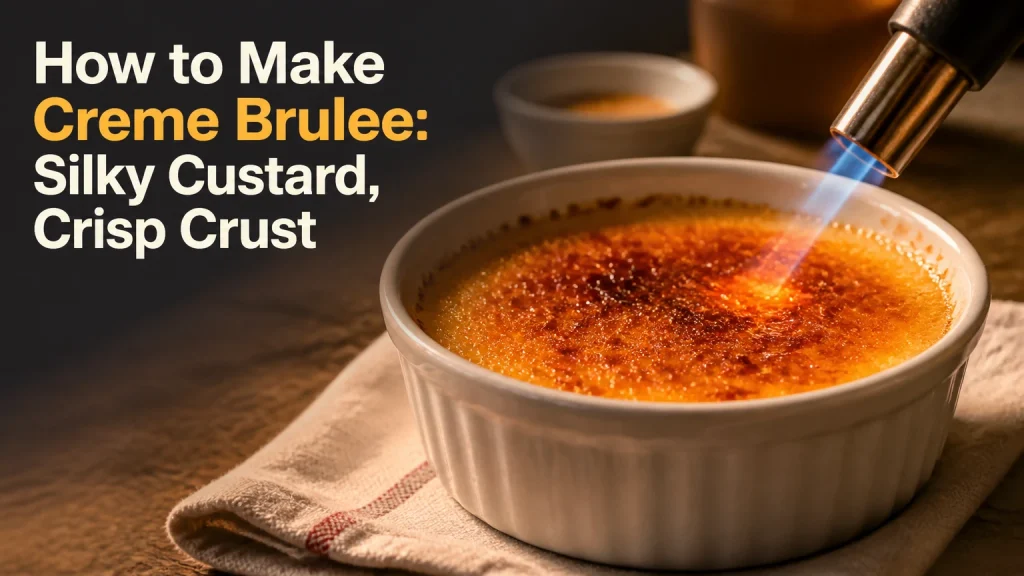
To make crème brûlée, gently bake a vanilla egg-yolk custard in a hot-water bath at 300°F (150°C), chill it for at least 4 hours, and torch a thin layer of sugar until crisp. Four servings take about 20 minutes of active work, 35-45 minutes to bake, and overnight chilling gives the cleanest texture. Key Facts […]
How to Make Beef Bourguignon: Tender, Rich, and Reliable
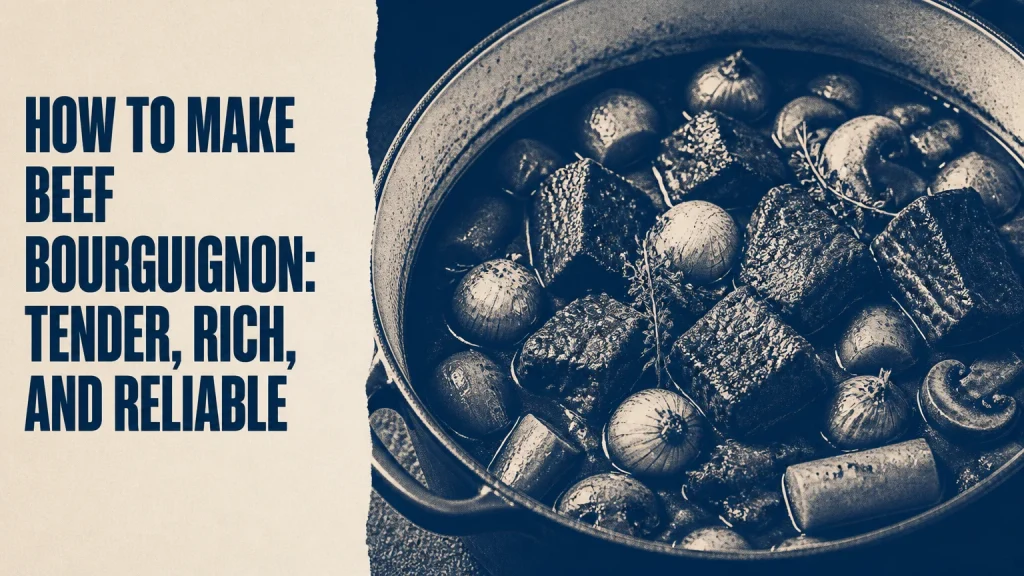
Beef bourguignon is made by browning beef chuck and bacon, softening aromatics, deglazing with dry red wine, then slowly braising the mixture with stock, herbs, and vegetables. The most reliable version takes about 3 hours in a 325°F oven, and the beef is ready when a fork slides through it with little resistance. Key Facts […]
Why Do Cocktails Have Garnishes? Flavor, Aroma, and Purpose
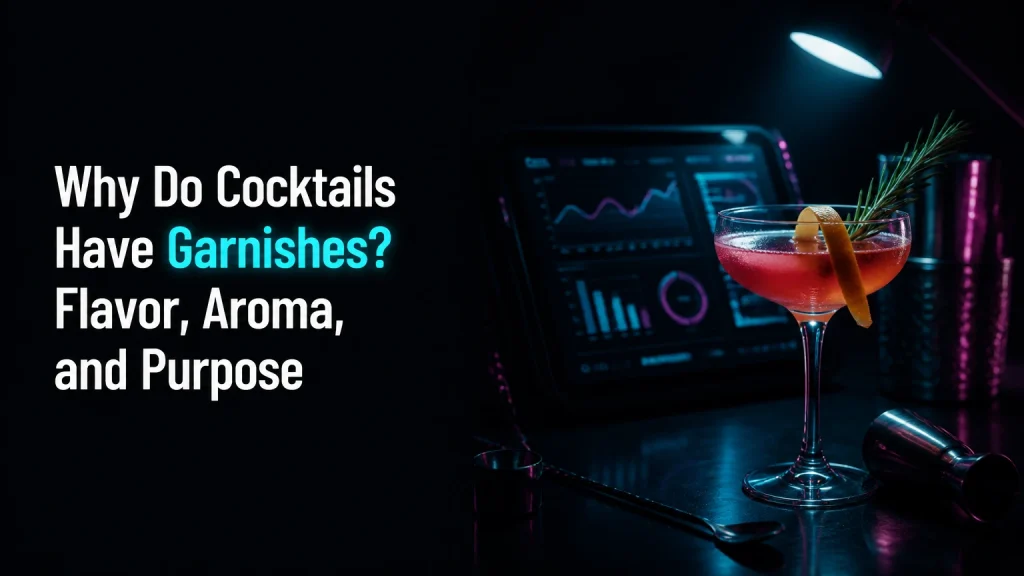
Cocktail garnishes add aroma, flavor, texture, visual cues, and a recognizable identity to a drink. A lemon twist can release fragrant oils before the first sip, while an olive, cherry, herb, or seasoned rim can signal the cocktail’s flavor direction and alter what the drinker tastes as the glass is raised. Key Facts at a […]
Why Are Cocktail Glasses Different Shapes? The Science of Service
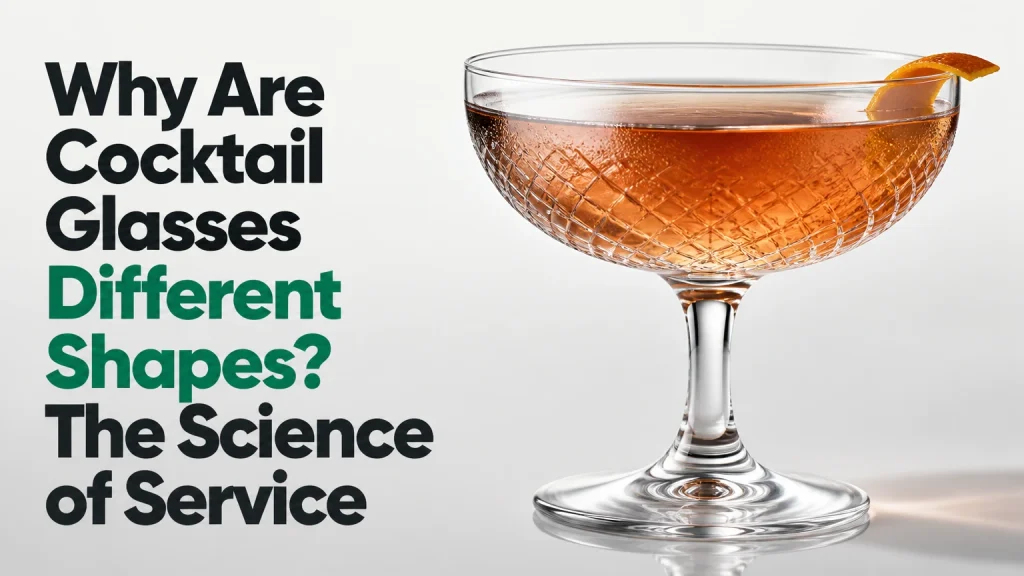
Cocktail glasses have different shapes because each design manages temperature, aroma, carbonation, liquid flow, ice, and drinking stability in a different way. A stem can reduce heat transfer from the hand, a narrow flute-like bowl can retain bubbles, and a broad bowl can release aromas, but glass shape influences experience rather than creating fixed taste […]
Why Do Bartenders Shake Cocktails? Chill, Dilute, Aerate
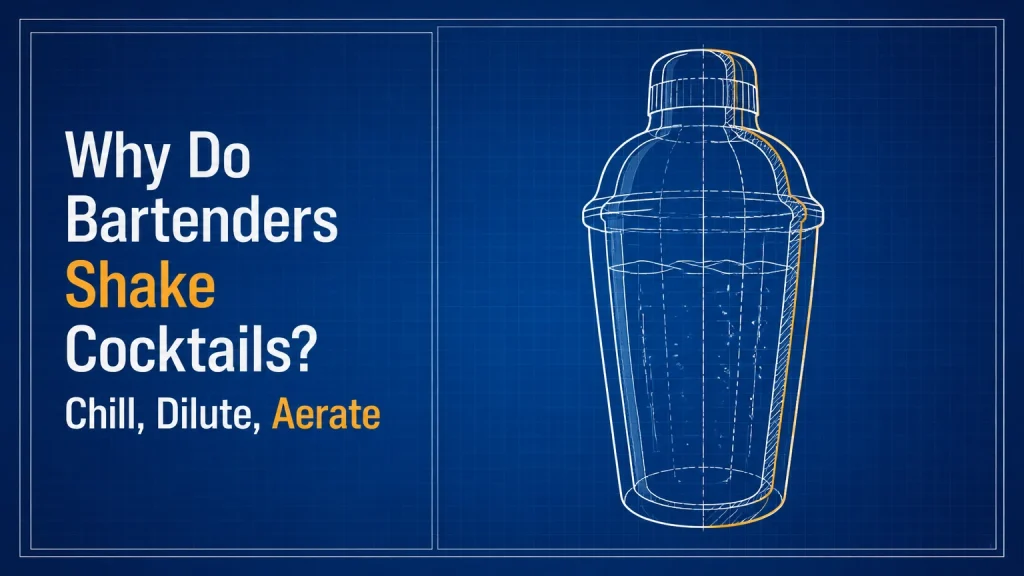
Bartenders shake cocktails to chill, dilute, aerate, emulsify, and rapidly combine ingredients. The method works especially well for drinks containing citrus juice, syrups, eggs, cream, or coffee because vigorous movement changes both flavor and texture, while stirring is usually better for clear, spirit-forward cocktails that need controlled dilution without foam. Key Facts at a Glance […]
Why Do I Feel Sleepy After Lunch? Causes and Fixes
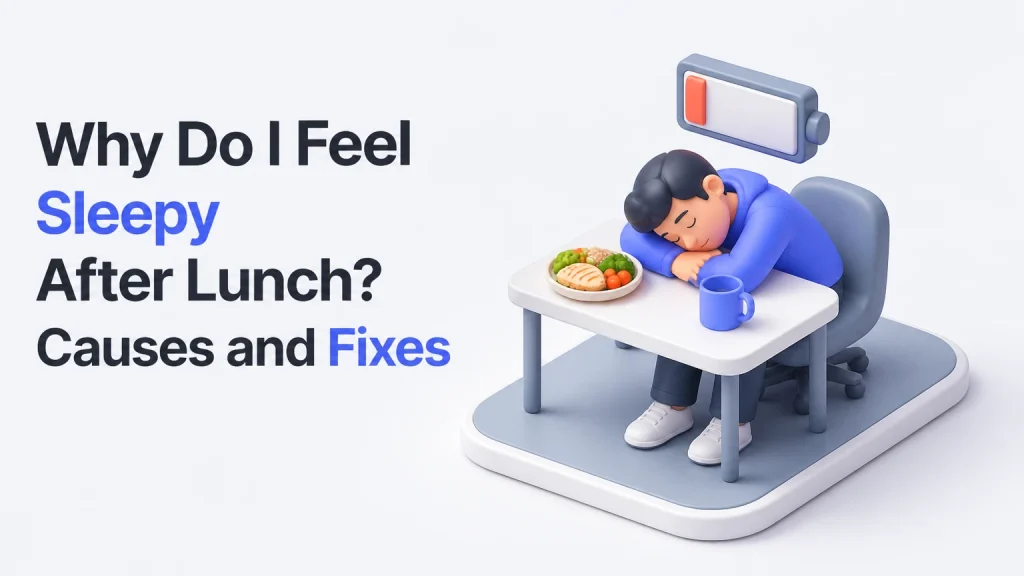
Postprandial somnolence, the medical term for sleepiness after eating, usually results from the normal afternoon circadian dip combined with meal size, carbohydrate load, sleep debt, and individual metabolism. Lunch does not divert blood away from the brain; the body maintains brain blood flow, while hormonal, digestive, and circadian signals can reduce alertness. Key Facts at […]
Why Does Eating Make You Tired? Causes, Timing, and Fixes
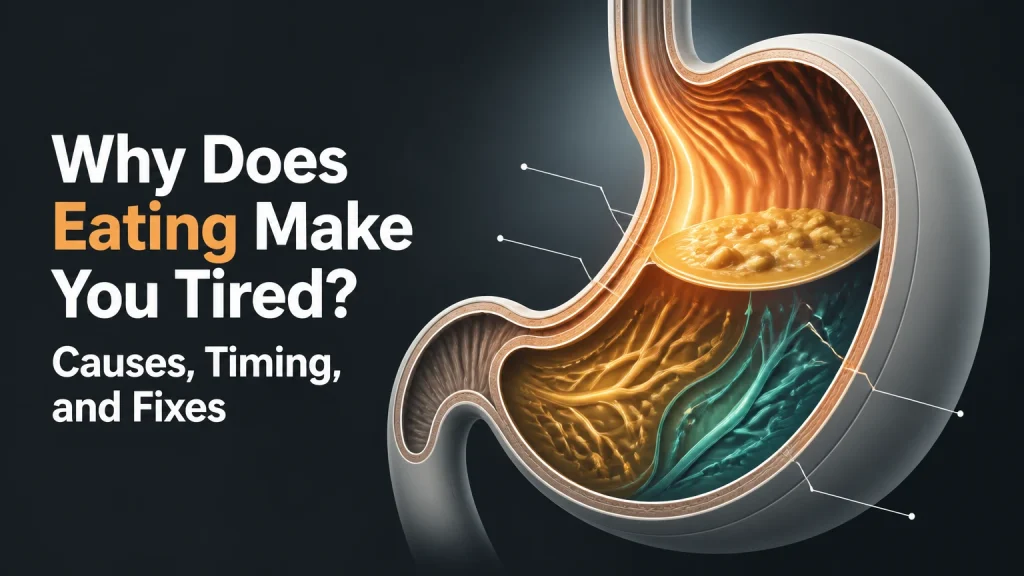
Feeling tired after eating is usually postprandial somnolence, a temporary decline in alertness caused by meal size, digestion-related signals, blood-glucose regulation, and the natural afternoon circadian dip. A large or rapidly absorbed meal can intensify sleepiness, but severe, prolonged, or symptom-filled fatigue may indicate a medication effect, sleep disorder, anemia, diabetes, or another medical condition. […]
How to Make Simple Syrup in 5 Minutes, 1:1 or 2:1
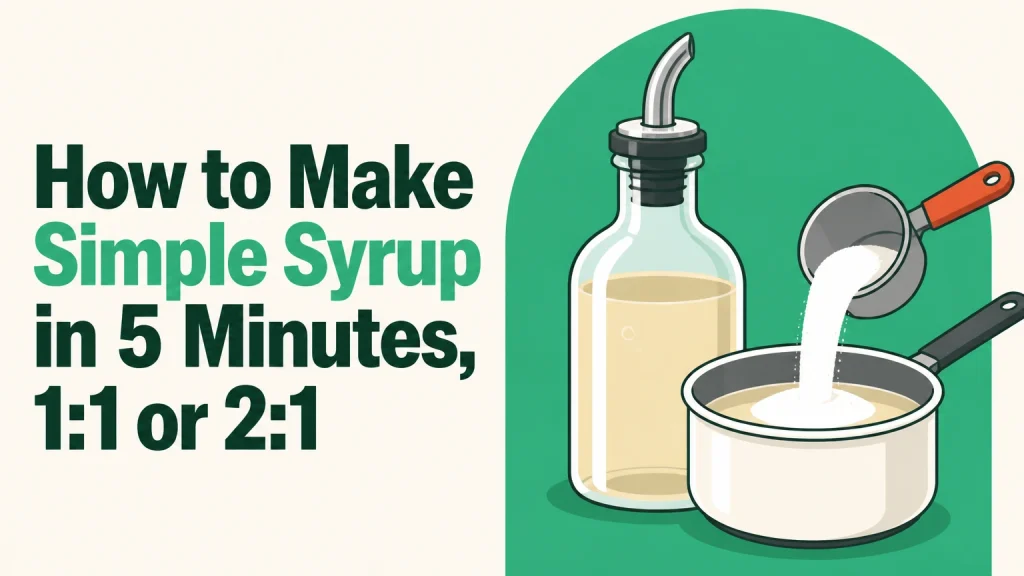
Simple syrup is made by dissolving sugar in water until the crystals disappear, then cooling and refrigerating the clear liquid. Use equal parts sugar and water for a versatile 1:1 syrup, or two parts sugar to one part water for a sweeter, thicker 2:1 syrup. The hot method is the most reliable. Key Facts A […]
How to Shake a Cocktail for a Cold, Balanced Drink
To shake a cocktail, add the measured ingredients to a sealed shaker filled about three-quarters with solid ice, then agitate it vigorously for 10-12 seconds and strain immediately. Cocktail shaking chills the drink, adds controlled dilution, and aerates ingredients such as citrus, cream, egg white, aquafaba, and fruit purée. Key Facts at a Glance Why […]
How to Make a Mojito: A Balanced 5-Minute Recipe
A mojito is a Cuban highball made with white rum, fresh lime juice, sugar, mint, soda water, and ice. To make one, gently press 6-8 mint leaves with 0.5-0.75 oz simple syrup, add 0.75 oz lime juice and 2 oz rum, stir with crushed ice, then top with 1-2 oz club soda. Key Facts at […]