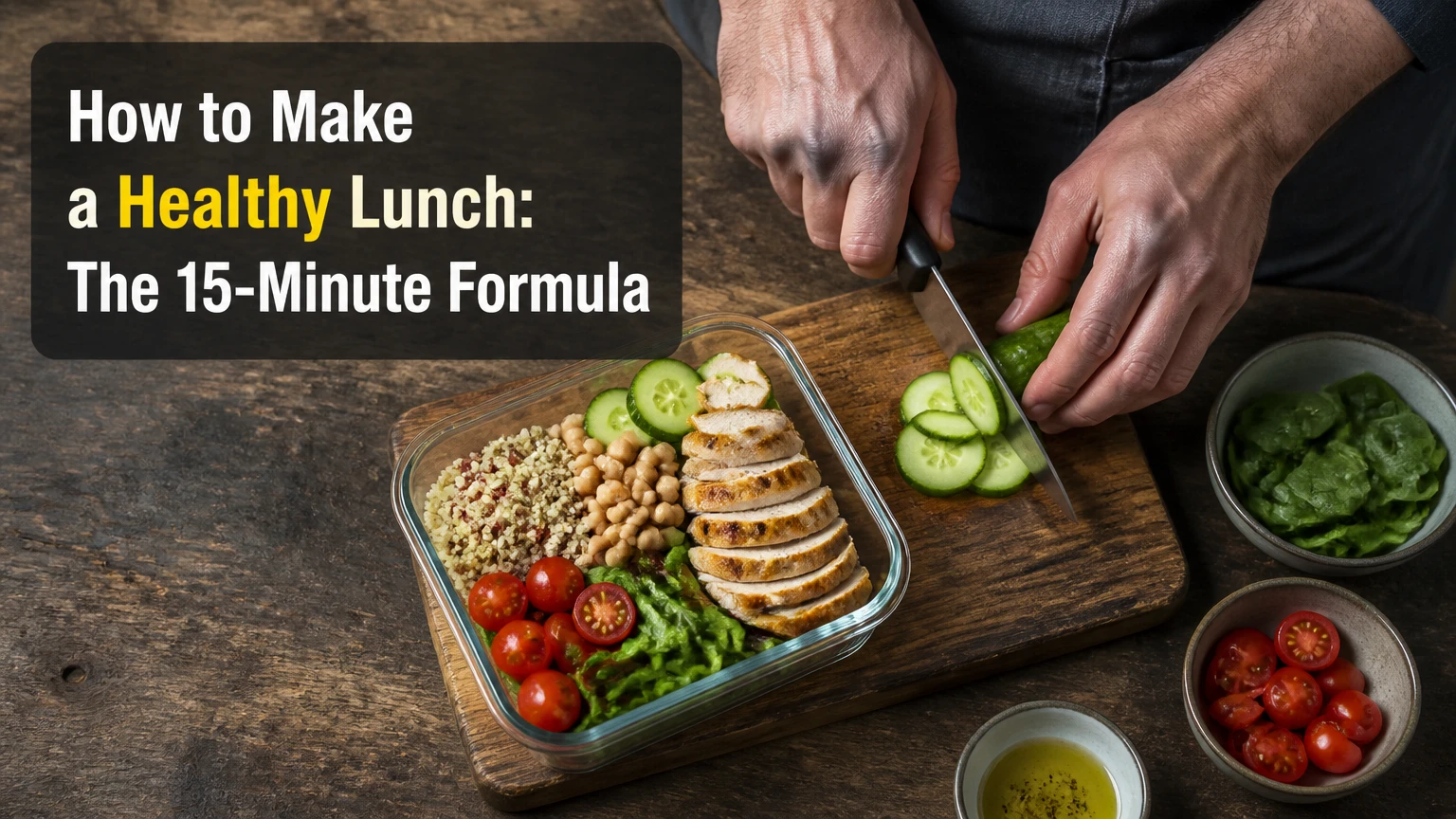
A healthy lunch combines vegetables or fruit, a protein-rich food, a high-fiber carbohydrate, and a measured source of unsaturated fat in a portion that matches your hunger and activity. The fastest reliable method is to choose one item from each category, assemble or reheat it in 5-15 minutes, and keep perishable food cold until eating.
Key Facts at a Glance
A practical lunch plate contains about half vegetables and fruit, one-quarter protein, and one-quarter high-fiber carbohydrate.
Most adults benefit from roughly 20-35 grams of protein at lunch, adjusted for body size, activity, and total daily intake.
The FDA recommends that adults limit sodium to less than 2,300 milligrams per day.
The USDA recommends refrigerating perishable food within 2 hours, or within 1 hour when temperatures exceed 90°F (32°C).
A home-assembled lunch typically costs $2.50-$6 per serving, depending on protein and local prices.
A complete lunch can be assembled in 5 minutes when cooked components are ready.
What Makes a Lunch Healthy?
A healthy lunch supplies protein, fiber, produce, and mostly unsaturated fat without making calories, sodium, or preparation demands impractical. The meal should also be safe to store, satisfying enough to prevent constant snacking, and flexible enough to fit cultural preferences and dietary restrictions.
The USDA MyPlate framework places fruits and vegetables, grains, protein foods, and dairy or fortified alternatives into a daily eating pattern. It does not require every meal to have an exact 50/25/25 split. The plate method is a useful visual starting point, not a medical prescription.
The most important quality test is completeness. A bowl of lettuce with low-protein dressing may be low in calories, but it often lacks the protein and carbohydrate needed for a demanding afternoon. Conversely, a large sandwich with processed meat and little produce may provide energy while exceeding a reasonable sodium target.
How Does a Balanced Lunch Work?
Protein slows the rate at which a meal leaves the stomach and supports tissue maintenance, while fiber increases food volume and supports regular bowel function. High-fiber carbohydrates, such as beans, oats, barley, and intact grains, generally digest more slowly than refined snacks, although preparation and portion size still matter.
A single lunch cannot prevent an insulin spike or guarantee stable energy. Blood glucose response depends on the whole meal, portion, activity, sleep, medication, and individual metabolism. People with diabetes should use guidance from a registered dietitian or clinician rather than relying on a universal lunch formula.
Michael Pollan summarizes a broadly compatible eating principle in In Defense of Food (2008): “Eat food. Not too much. Mostly plants.” A healthy lunch applies that principle while adding enough protein and energy to match the person eating it.
Build the Balanced Plate
Build a healthy lunch by selecting approximately 1-2 cups of vegetables or fruit, 20-35 grams of protein, ½-1 cup of a high-fiber carbohydrate, and 1-2 tablespoons of unsaturated fat. Adjust portions upward for strenuous activity and downward only when medically appropriate, never by removing an entire food group automatically.
| Lunch component | Typical serving | Useful sources | Primary job |
|---|---|---|---|
| Vegetables or fruit | 1-2 cups | Broccoli, peppers, cabbage, berries, apple | Fiber, potassium, vitamins |
| Protein food | 3-6 oz or ¾-1½ cups | Chicken, tofu, lentils, eggs, yogurt | Satiety and tissue repair |
| High-fiber carbohydrate | ½-1 cup cooked | Oats, quinoa, barley, beans, brown rice | Energy and meal structure |
| Unsaturated fat | 1-2 tbsp | Olive oil, tahini, avocado, walnuts | Flavor and vitamin absorption |
| Optional calcium food | ¾-1 cup | Plain yogurt, kefir, fortified soy milk | Calcium and additional protein |
Choose Protein First
Choose a protein that contributes at least 15-25 grams per ordinary lunch, or closer to 25-35 grams when the meal must last many hours or follows training. The National Academies set the adult protein RDA at 0.8 grams per kilogram of body weight per day, but active adults and older people may need individualized amounts above that baseline.
Protein does not have to mean chicken breast. A cup of lentils, a can of tuna, 6 ounces of Greek yogurt, 4 ounces of tofu plus edamame, or two eggs with beans can anchor a meal. Canned beans and fish reduce preparation time, but rinsing beans lowers surface sodium and checking fish advisories matters for frequent consumption.
Add One High-Fiber Carbohydrate
Select one main carbohydrate rather than stacking several large starch portions. Good options include ½-1 cup cooked barley, quinoa, brown rice, whole-wheat pasta, beans, or a medium potato, along with whole-grain bread or a fruit serving when those fit the meal.
The Dietary Guidelines for Americans, 2020-2025, recommends 14 grams of fiber per 1,000 calories. A lunch containing beans, vegetables, and a whole grain can contribute 8-15 grams toward that daily target. Increase fiber gradually and drink enough fluid if a sudden change causes bloating.
Add Produce and Measured Fat
Fill roughly half the container with vegetables, then add fruit when desired or when vegetables are limited. Frozen broccoli, shredded cabbage, baby carrots, cherry tomatoes, apples, oranges, and pre-washed greens provide practical choices across seasons.
Use olive oil vinaigrette, tahini, avocado, seeds, or nuts in measured amounts. Healthy fats remain energy-dense: one tablespoon of olive oil contains about 120 calories, while a small handful of nuts commonly provides 160-200 calories. Measuring for a week teaches portions more reliably than guessing.
How to Make a Healthy Lunch Step by Step
The following six-step method produces one balanced lunch in 5-15 minutes when ingredients are cooked, washed, or packaged. The factor that most determines success is not a special recipe, but having a ready protein and a portable vegetable available before hunger peaks.
Step 1: Define the Lunch Constraint
Decide whether the meal must be no-cook, portable, reheatable, inexpensive, high-protein, or allergy-safe. A desk worker with a refrigerator can pack yogurt and leftovers, while a construction worker without cold storage needs an insulated bag and frozen gel pack.
Success checkpoint: You can state the lunch requirement in one sentence, such as “A $4 meal that stays cold for four hours.”
Common mistake: Choosing a recipe before checking whether the workplace has a refrigerator, microwave, utensils, or enough eating time.
Step 2: Select the Protein
Choose one prepared protein: 3-6 ounces of chicken, fish, or lean meat; ¾-1½ cups of beans or lentils; 4-6 ounces of tofu or tempeh; two eggs; or ¾-1 cup of Greek yogurt or cottage cheese. For a vegan lunch, combine legumes with tofu, edamame, seitan, or fortified soy foods.
Success checkpoint: The protein label or portion estimate contributes about 20 grams, unless a smaller snack-style lunch is intentional.
Common mistake: Treating hummus, nuts, or cheese as the only protein when the quantity provides little protein but substantial fat or sodium.
Step 3: Add Produce
Add at least 1 cup of vegetables, then increase toward 2 cups when volume and fiber help control hunger. Use two textures, such as roasted broccoli with cucumber or shredded cabbage with tomatoes, because texture variety improves the eating experience without requiring elaborate cooking.
Success checkpoint: Produce occupies about half the container or plate.
Common mistake: Packing only delicate greens, which collapse, become wet, and leave the meal less satisfying than expected.
Step 4: Add a High-Fiber Carbohydrate
Add ½-1 cup cooked grain, beans, potato, or whole-grain pasta, or use one whole-grain wrap, pita, or sandwich roll. People doing prolonged endurance exercise may need more carbohydrate, while a person with a lower-energy requirement may prefer the smaller end of the range.
Success checkpoint: The lunch contains one identifiable starch or legume portion rather than several overlapping starches.
Common mistake: Combining rice, sweet potato, crackers, and a large tortilla, then blaming the resulting heaviness on carbohydrates generally.
Step 5: Add Moisture Last
Pack dressing, salsa, yogurt sauce, or broth separately whenever the meal will sit longer than 30 minutes. For a salad jar, place dressing at the bottom, then hard vegetables and grains, protein, greens, and crunchy toppings in that order.
Success checkpoint: Greens and crisp vegetables remain dry until mixing.
Common mistake: Using paper towels as the primary solution for excess liquid. Drain ingredients well first, because paper can become saturated and does not correct warm storage or overloaded containers.
Step 6: Taste, Label, and Store
Taste one bite before sealing and correct blandness with acid, herbs, pepper, or a small amount of salt. Label leftovers with the date, chill them promptly in shallow containers, and keep the refrigerator at 40°F (4°C) or below.
Success checkpoint: The meal is portioned, dated, and ready to eat without another cooking decision.
Common mistake: Cooling a large, deep pot of soup at room temperature, which keeps the center warm too long. Divide soup into shallow containers before refrigeration.
Which Lunch Format Fits Your Day?
The best lunch format depends on portability, reheating access, texture tolerance, and available preparation time. A grain bowl usually offers the easiest high-protein meal prep, while a sandwich wins for portability and a bento box works well when a person prefers small portions.
| Format | Typical prep | Typical cost | Storage advantage | Main limitation |
|---|---|---|---|---|
| Grain bowl | 10-15 minutes | $3-$6 | Components hold 3-4 days | Can become repetitive |
| Salad with protein | 5-10 minutes | $3-$8 | No reheating required | Greens wilt with early dressing |
| Whole-grain wrap | 5-8 minutes | $2.50-$6 | Easy one-handed eating | Tortilla can soften |
| Bento box | 5-12 minutes | $3-$7 | Separates textures | More individual containers |
| Soup or stew | 5 minutes to reheat | $2.50-$5 | Freezes well in portions | Requires leakproof container or microwave |
Grain Bowl Formula
Combine ½-1 cup cooked grain, 1-2 cups vegetables, 3-6 ounces protein, and 1 tablespoon sauce. A practical example is quinoa, roasted broccoli, chickpeas, chicken, and lemon-tahini dressing. Keep avocado, herbs, and nuts separate until serving.
Salad Formula
Use sturdy greens such as kale, cabbage, or romaine when packing several hours ahead. Add salmon, beans, tofu, chicken, or eggs, then include a grain or whole-grain pita if a salad alone leaves you hungry.
Wrap or Sandwich Formula
Choose bread with whole grain listed near the beginning of the ingredient list, then add protein, vegetables, and a controlled spread. Turkey, hummus, spinach, tomato, and mustard work quickly, but high-sodium deli meat should not be the default at every lunch.
How Should You Adapt Lunch for Different Needs?
Adapt portion size, protein selection, carbohydrate quantity, and storage method to the person and setting rather than labeling one menu universally healthy. The same balanced structure can produce a budget bean bowl, a high-carbohydrate training meal, or a lower-volume lunch for someone with limited appetite.
| Situation | Protein choice | Carbohydrate choice | Practical lunch | Adjustment |
|---|---|---|---|---|
| Office with refrigerator | Greek yogurt or chicken | Barley or fruit | Chicken-barley salad | Keep dressing separate |
| Student on a budget | Beans and eggs | Potato or brown rice | Bean-potato bowl | Buy dried or canned staples |
| Athlete after training | Chicken, tofu, or tuna | 1-1½ cups rice | Rice bowl with vegetables | Increase carbohydrate portion |
| Vegetarian | Lentils, tofu, tempeh | Quinoa or whole-grain pita | Lentil tabbouleh bowl | Verify protein quantity |
| Vegan | Tofu, edamame, beans | Farro or sweet potato | Tofu-edamame bowl | Add fortified soy food |
| No microwave | Tuna, eggs, or hummus | Whole-grain bread | Bento or wrap | Use an insulated bag |
| Child lunchbox | Yogurt, egg, or cheese | Fruit and whole-grain crackers | Bento box | Use small portions and familiar foods |
Budget Lunch
A low-cost healthy lunch can usually be built for $2.50-$5 per serving with beans, eggs, oats, potatoes, seasonal vegetables, frozen produce, and bulk grains. The most expensive component is commonly animal protein, not vegetables, so replacing two weekly meat lunches with lentils or tofu can lower cost without reducing meal structure.
A $3.50 example uses ¾ cup lentils, ½ cup brown rice, 1 cup frozen broccoli, shredded carrot, and 1 tablespoon yogurt sauce. Canned fish can remain economical, but compare sodium and serving size rather than assuming every canned product has the same nutritional profile.
Vegetarian and Vegan Lunches
Vegetarian and vegan lunches need a deliberate protein anchor because vegetables, grains, and sauces alone can produce a filling-looking but low-protein meal. Use lentils, beans, tofu, tempeh, edamame, seitan, or fortified soy yogurt, and combine two sources when one serving does not reach the target.
Vitamin B12 requires special attention in vegan diets because unfortified plant foods are unreliable sources. The National Institutes of Health Office of Dietary Supplements identifies fortified foods and supplements as dependable B12 sources for people who eat no animal products. A clinician can help determine an appropriate supplement.
Active People
Active people often need a larger carbohydrate portion and may tolerate 1-1½ cups cooked rice, pasta, quinoa, or potatoes at lunch, especially after training. Add 25-35 grams of protein and avoid making the meal so high in fat or fiber that it causes gastrointestinal discomfort immediately before exercise.
No-Fridge and No-Microwave Lunches
Perishable food still requires temperature control when no refrigerator exists. Pack tuna or salmon pouches, shelf-stable beans, whole-grain crackers, nut butter, whole fruit, and unopened UHT milk, or use an insulated lunch bag with a frozen gel pack.
The USDA advises discarding perishable food left above 40°F for more than 2 hours, or more than 1 hour above 90°F. A lunch that is nutritionally balanced but stored warm is not a safe lunch.
How Much Time, Money, and Food Storage Do You Need?
Daily assembly usually takes 5-15 minutes, while a practical batch-prep session takes 45-90 minutes and supports three to four refrigerated lunches. Typical home-prepared cost ranges from $2.50-$6 per serving, although seafood, organic products, delivery fees, and regional prices can raise the total substantially.
| Preparation pattern | Weekly time | Typical servings | Typical cost per serving | Best use |
|---|---|---|---|---|
| Leftover dinner | 0-5 minutes daily | 1-4 | $3-$8 | Lowest extra effort |
| Component prep | 45-60 minutes | 4-6 | $2.50-$5 | Flexible weekday lunches |
| Full recipe batch | 60-90 minutes | 6-10 | $3-$6 | Consistent portions |
| Store-bought salad | 0-10 minutes | 1 | $8-$18 | Occasional convenience |
| Meal delivery | 0-5 minutes | 1 | $10-$20+ | Minimal kitchen access |
Refrigerate cooked leftovers within 2 hours and use most refrigerated leftovers within 3-4 days, following USDA food-safety guidance. Freeze extra portions earlier rather than waiting until the final safe day, especially for soups, stews, cooked grains, and beans.
A five-day menu does not require five different recipes. Prepare two proteins, two carbohydrates, and three vegetables, then change the sauce and format. For example, chickpeas can become a grain bowl, wrap filling, soup addition, or mashed sandwich spread.
Common Mistakes and How to Fix Them
Mistake 1: Packing Vegetables Without Enough Protein
A lunch of lettuce, cucumber, and vinaigrette often causes hunger before dinner because the meal contains little protein or energy. Add beans, tofu, chicken, eggs, fish, yogurt, or lentils, then reassess hunger after several days rather than judging one meal.
Mistake 2: Treating the 50/25/25 Plate as a Rigid Rule
The plate model guides composition, but a cyclist, a small child, and a person with low appetite will not need identical portions. Keep the categories, then adjust the carbohydrate and total amount to activity, body size, medication, and medical advice.
Mistake 3: Ignoring Sodium in Healthy-Looking Foods
Canned soup, deli turkey, bottled dressing, cheese, olives, and flavored grains can push sodium high even when vegetables are present. The FDA adult limit is less than 2,300 milligrams daily; compare labels, rinse beans, and use acid, garlic, herbs, and pepper for flavor.
Mistake 4: Reheating Delicate Ingredients
Greens, cucumber, avocado, fresh herbs, and crisp nuts deteriorate under heat. Keep them cold and add them after reheating the grain, protein, or stew.
Mistake 5: Repeating One Meal Until You Stop Eating It
Flavor fatigue is a planning failure, not a willpower problem. Rotate sauces such as lemon-herb yogurt, salsa, peanut-lime, and tahini, while keeping the same prepared grain and protein.
Mistake 6: Using a Healthy Label as a Portion Guide
Granola, nuts, avocado, olive oil, hummus, and cheese can all fit a nutritious lunch, but they are energy-dense. Measure fats for several lunches, especially when weight management is a goal.
Three Reliable 15-Minute Lunches
Mediterranean Chickpea Bowl
Use ¾ cup rinsed chickpeas, ½ cup cooked quinoa, 1 cup cucumber and tomato, a handful of greens, 1 tablespoon tahini, lemon juice, and 1 tablespoon pumpkin seeds. The meal is vegetarian, portable, and requires no reheating.
Chicken and Barley Salad
Combine 4 ounces cooked chicken, ¾ cup cooked barley, 1½ cups chopped cabbage and peppers, 1 tablespoon olive oil, vinegar, and herbs. Barley holds texture better than delicate greens, so this option suits a lunch packed the night before.
Tofu Peanut-Lime Wrap
Fill one whole-grain wrap with 5 ounces baked tofu, 1 cup shredded cabbage and carrots, ½ cup edamame, and 1 tablespoon peanut-lime sauce. Pack the sauce separately when the wrap will sit more than two hours.
Frequently Asked Questions
Is a sandwich a healthy lunch?
A sandwich can be a healthy lunch when it combines whole-grain bread, a substantial protein filling, vegetables, and a measured spread. Choose lower-sodium fillings more often, add fruit or vegetables on the side, and avoid making processed meat the everyday protein. Bread quality matters less than the complete meal pattern.
What should I eat for lunch to lose weight?
For weight management, choose a lunch with vegetables, 20-30 grams of protein, a measured fat source, and a portion of high-fiber carbohydrate that matches your energy needs. Weight change depends on total energy intake over time, not on eliminating rice, potatoes, bread, or one specific lunch ingredient.
Can I prepare five lunches on Sunday?
You can prepare five lunches on Sunday, but quality and safety are usually better when only three to four refrigerated portions are made and the remainder is frozen or assembled later. Cooked grains, beans, soups, and stews freeze well; dressed greens, avocado, and crisp toppings generally do not.
How can I make lunch without cooking?
Use canned beans, tuna or salmon pouches, plain Greek yogurt, pre-washed vegetables, whole-grain bread, fruit, and nuts to assemble lunch without cooking. A bento box with yogurt, chickpeas, cucumber, whole-grain pita, and fruit takes about 5 minutes, but perishable foods still need an insulated bag and cold pack.
Is eating lunch at a specific time necessary?
A specific clock time is not required for most adults, although a regular eating window can make hunger and medication routines easier to manage. Eat before extreme hunger leads to rushed choices, and follow individualized timing instructions if diabetes, gastrointestinal disease, pregnancy, or medication affects meals.
How do I keep a healthy lunch filling until dinner?
Include a meaningful protein portion, 8-15 grams of fiber when tolerated, enough carbohydrate for your activity, and some unsaturated fat. A salad with chicken, beans, vegetables, and olive oil is generally more sustaining than plain greens because it provides volume plus the nutrients that support longer satiety.
The Bottom Line
To make a healthy lunch, build around one protein, fill about half the meal with vegetables or fruit, add one high-fiber carbohydrate, and finish with 1-2 tablespoons of unsaturated fat or sauce. Prepare components in advance, keep dressing separate, refrigerate perishable food promptly, and adjust portions for activity, budget, appetite, and dietary needs. A repeatable formula is more useful than a perfect recipe.