How to Keep Mashed Potatoes Warm for a Potluck
The most reliable way to keep mashed potatoes warm for a potluck is to transfer them piping hot into a preheated slow cooker, insulated container, or covered pan, then hold them at 140°F or higher. Add warm butter, cream, or broth to protect moisture, keep the container covered, and choose active heat at the venue […]
Easy Snacks to Make in 5 Minutes With Little Ingredients: 12 Fast Picks
Easy snacks to make in 5 minutes with little ingredients include apple with peanut butter, Greek yogurt with berries, avocado rice cakes, cottage cheese with tomato, microwave eggs, chickpeas with spices, and banana oat mug cake. Most use two to four ingredients, require no advanced cooking, and cost about $0.50-$2.50 per serving. Key facts at […]
How to Keep Mashed Potatoes Warm on Stove Without Scorching
To keep mashed potatoes warm on the stove, use a covered bowl or pot over gently simmering water, rather than placing the potatoes directly over a hot burner. Hold the potatoes at 140°F (60°C) or higher, stir gently every 15-20 minutes, and add warm dairy or broth when the surface begins to thicken. Key Facts […]
How to Reheat a Burger Without Separating
To reheat a burger without separating it, wrap the assembled burger loosely in foil and warm it in a 175°C oven for 10-15 minutes, then uncover it briefly to refresh the bun. For speed, use an air fryer at 150°C for 6-8 minutes or a microwave at 50% power in short intervals. The key is […]
How to Accommodate Dietary Restrictions at a Party Safely
To accommodate dietary restrictions at a party, collect specific needs before planning, map every ingredient, prepare medically restricted food first, prevent cross-contact, and label dishes accurately. A safe plan distinguishes allergies and celiac disease from intolerances, religious requirements, ethical choices, and preferences because each category requires different controls. Key Facts at a Glance What Does […]
How to Transport Food Safely: Keep Meals Safe in Transit
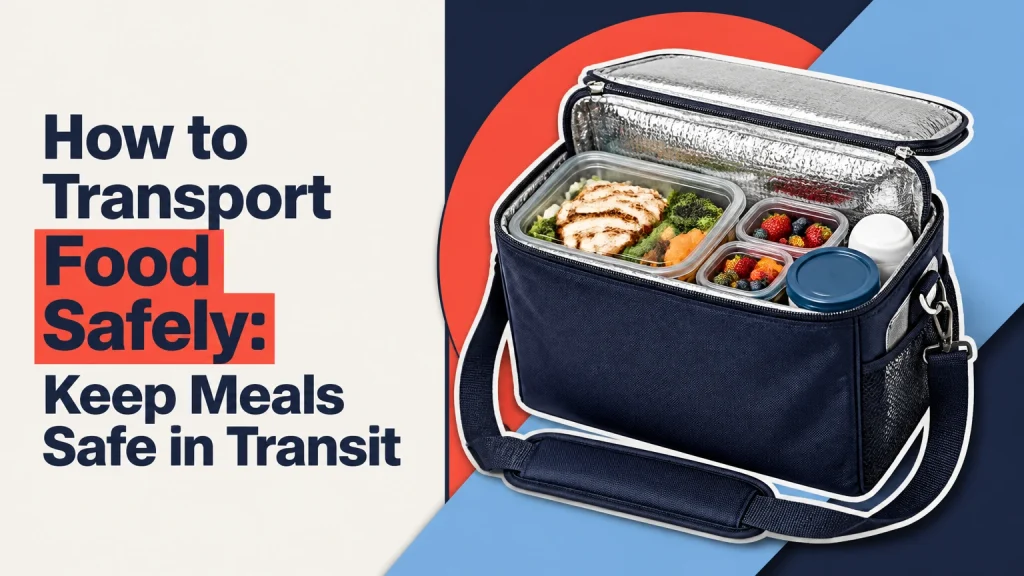
To transport food safely, keep cold food at 40°F (4°C) or below, hot food at 140°F (60°C) or above, and frozen food at 0°F (-18°C) or below. Use clean, leak-proof containers inside insulated carriers, minimize transit time, measure temperatures with a food thermometer, and discard perishable food that exceeds safe time limits. Key Facts: The […]
How to Plan a Buffet: Safe, Fast Service
Planning a buffet means designing the menu, quantities, guest flow, equipment, staffing, and food-safety controls as one system. A reliable plan uses the event’s guest count and service time to choose the format, portions food by category, separates queues, labels allergens, and holds hot food at safe temperatures. Key Facts at a Glance What Should […]
How to Keep Food Cold While Traveling Safely
To keep food cold while traveling, pack chilled or frozen food in a well-insulated cooler with enough ice or frozen packs to maintain 40°F (4°C) or below, then keep the container shaded and closed. Use a 12V compressor refrigerator for trips longer than several days, and discard perishable food that has exceeded safe time or […]
How to Plan a Cocktail Party: A Practical Host Plan

To plan a cocktail party, set the guest count, duration, budget, drink service, menu, floor plan, and safety arrangements in that order. For a typical 20-person, three-hour home party, allow about 50-60 drinks, 160-240 bites, 30-40 pounds of ice, 30-40 glasses, and one prepared host or bartender. Key Facts at a Glance A cocktail party […]
How to Reheat Pasta: Methods That Keep It Moist
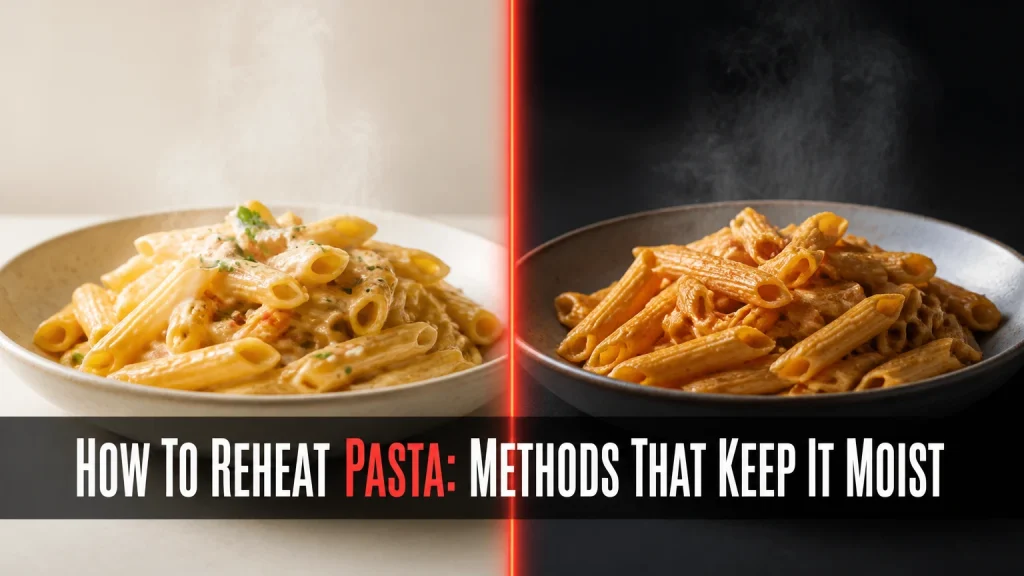
To reheat pasta successfully, match the method to whether the pasta is sauced, plain, baked, refrigerated, or frozen. Use gentle heat and add a small amount of moisture: reheat sauced pasta in a covered skillet, plain noodles briefly in boiling water, baked pasta under foil, or microwave portions at half power until the center reaches […]