How to Make Tomato Soup in 30 Minutes, 4 Reliable Ways
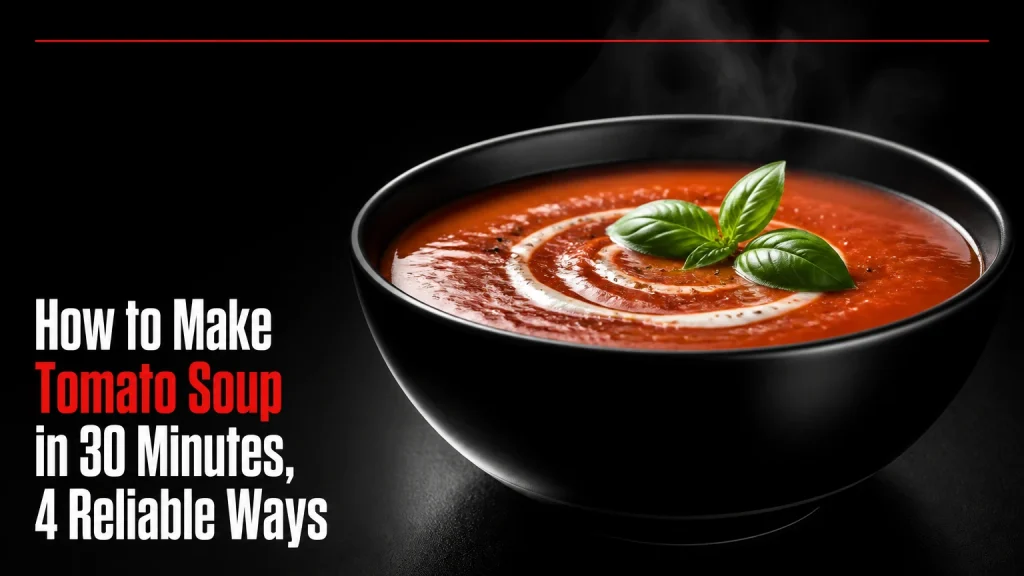
Tomato soup is made by softening onion and garlic in butter and olive oil, simmering tomatoes with stock and herbs, then blending the mixture smooth. This four-serving method takes about 40 minutes total, uses canned or fresh tomatoes, and produces balanced soup when you control stock, acidity, and the final temperature. Key Facts at a […]
Why Is Lunch Important? Energy, Focus, and Better Choices

Lunch is important because it supplies food, fluid, and a planned pause during the middle of the day, when breakfast may be several hours behind and dinner remains ahead. A well-composed lunch can reduce distracting hunger, support afternoon concentration, and provide nutrients that a rushed breakfast or evening meal may not cover. Key Facts at […]
How to Garnish a Cocktail: 7 Steps for Better Drinks

A cocktail garnish is a fresh, dried, edible, or aromatic element added to improve a drink’s appearance, aroma, texture, or flavor. To garnish a cocktail, prepare clean ingredients, cut them precisely, express citrus oils when appropriate, rim or skewer components before serving, and place one functional garnish with one aromatic accent. Key Facts / At […]
How to Make Soup from Scratch: A 45-Minute Method

Soup from scratch is made by softening aromatics in fat, adding seasoned liquid and solid ingredients in cooking order, then simmering until tender and finishing with salt, acid, herbs, or dairy. A basic vegetable soup takes about 45 minutes, costs typically $1.50-$3.50 per serving, and succeeds when the liquid stays at a gentle simmer. Key […]
Why Is Brunch Called Brunch? The 1895 Origin Story

Brunch is called “brunch” because the word combines breakfast and lunch for a late-morning meal that can replace both. British writer Guy Beringer proposed the term in 1895 for a relaxed Sunday meal that accommodated late risers and people recovering from Saturday-night socializing. The name describes both its timing and its hybrid menu. Key Facts […]
Why Is Brunch Served on Weekends? Weekend Timing Explained

Brunch is served on weekends because Saturday and Sunday create a shared late-morning leisure period that weekdays rarely allow. The meal combines breakfast and lunch after people wake later, recover from evening activities, and coordinate social plans without work or school start times. Restaurants also gain a profitable service window before dinner. Key Facts at […]
Why Do People Eat Brunch? Social Timing and Menu Choices Explained
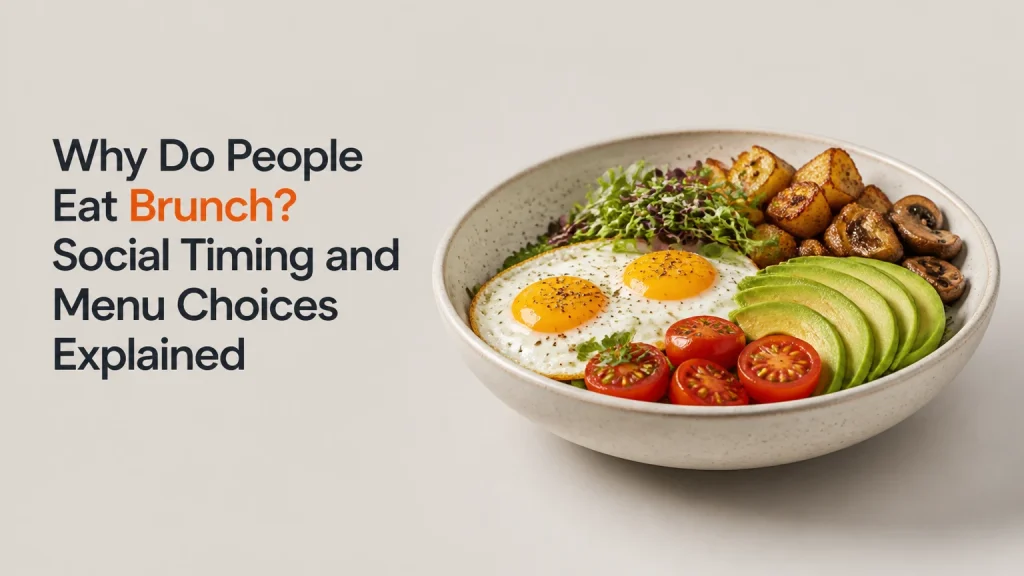
People eat brunch because the meal combines breakfast and lunch at a flexible late-morning time, making room for sleep, socializing, varied food, and relaxed schedules. Brunch also functions as a weekend ritual for families, friends, dates, and celebrations, while its mixed sweet-savory menu and optional daytime drinks create an experience that ordinary breakfast or lunch […]
How to Make a Balanced Lunch in 10 Minutes
A balanced lunch combines non-starchy vegetables, protein, high-fiber carbohydrates, and a measured source of unsaturated fat in portions that fit your energy needs. The fastest reliable method is to fill half the container with vegetables, add one palm of protein, one fist of carbohydrate, and a small amount of fat, then adjust for appetite and […]
How to Plan a Brunch Menu Without Service Chaos

To plan a brunch menu, choose the service format and theme first, then build around one sweet anchor, one egg-based savory anchor, one lunch protein, and one fresh accent. Calculate portions by guest count, reserve delicate cooking for service, and prepare 70-80% of the menu before guests arrive. Key Facts at a Glance A practical […]
How to Make a Healthy Lunch: The 15-Minute Formula

A healthy lunch combines vegetables or fruit, a protein-rich food, a high-fiber carbohydrate, and a measured source of unsaturated fat in a portion that matches your hunger and activity. The fastest reliable method is to choose one item from each category, assemble or reheat it in 5-15 minutes, and keep perishable food cold until eating. […]