How to Reheat Chicken Without Drying It Out: 5 Methods
Reheat chicken without drying it out by using moderate heat, adding a small amount of liquid, and covering the meat whenever crispness is not the goal. Heat leftovers until the thickest portion reaches 165°F (74°C), checking with an instant-read thermometer, then rest the chicken for one minute before serving. Key Facts at a Glance Why […]
How to Reheat Grilled Chicken Without Drying It Out
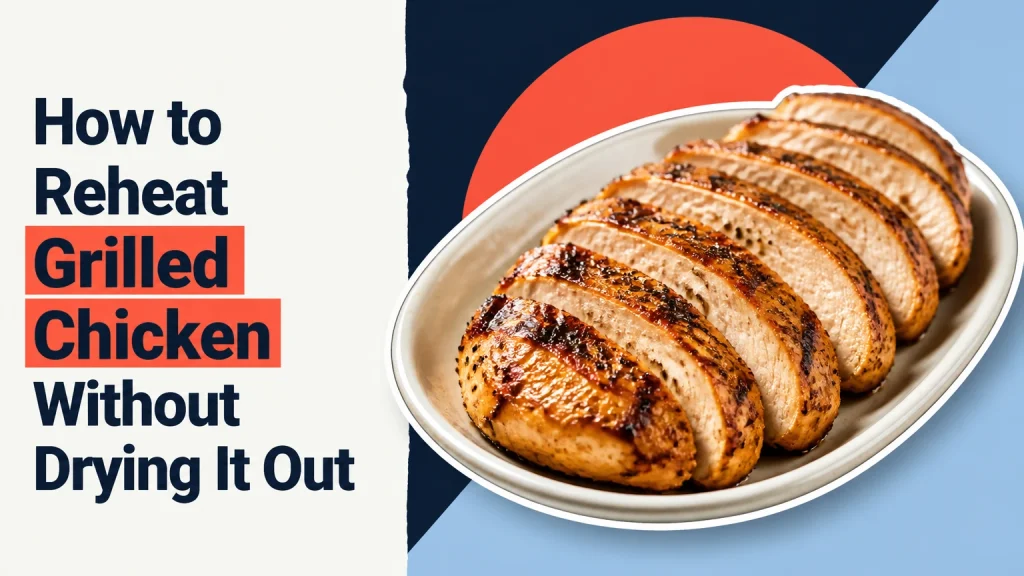
To reheat grilled chicken without drying it out, warm it gently with a small amount of broth, water, or sauce, then stop as soon as the center reaches 165°F (74°C). Use a covered skillet for sliced chicken, a microwave at 50-70% power for one serving, or a covered 325°F oven for larger pieces. Key Facts […]
How to Reheat Chicken for Juicy, Safe Results
To reheat chicken safely, warm refrigerated portions until the thickest part reaches 165°F (74°C), using gentle heat and added moisture to limit drying. Use a covered oven for large or bone-in pieces, a skillet for sliced chicken, a microwave for speed, or an air fryer for crisp breading. Key Facts at a Glance Which Reheating […]
How to Keep Takeout Food Warm Without Soggy Texture
To keep takeout food warm, retain heat with insulated packaging or a low oven, then manage steam according to the dish. Keep hot food at or above 140°F, eat it within two hours at room temperature, and reheat cooled food to 165°F before serving. The most effective method depends on delay length, packaging, and texture. […]
How to Reheat Fried Food for Crisp Results
To reheat fried food, use dry circulating heat at 350-400°F, arrange pieces in a single layer, and cook until the center reaches 165°F. An air fryer usually restores crunch in 3-8 minutes, while a wire-rack oven handles larger portions in 10-20 minutes; a skillet works best for flat foods. Key Facts at a Glance What […]
How to Store Cooked Pasta: Safe, Non-Sticky Leftovers
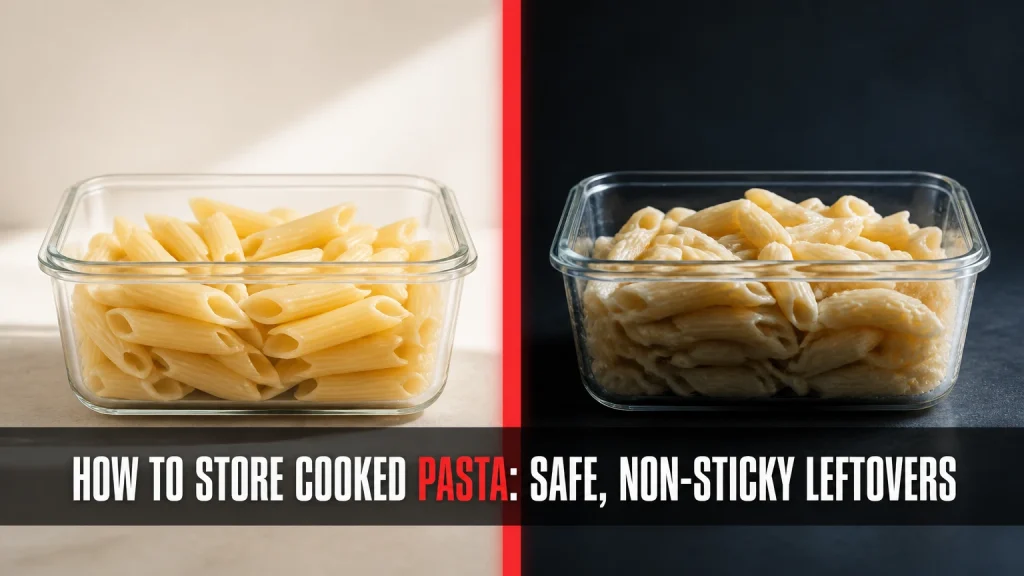
To store cooked pasta, drain it thoroughly, cool it quickly in a shallow container, separate plain noodles with a small amount of oil, and refrigerate it below 40°F within two hours. Eat refrigerated pasta within 3-4 days, or freeze suitable portions for about 2-3 months, then reheat with added moisture. Key Facts at a Glance […]
How to Keep Fried Food Crispy: 7 Steps That Work
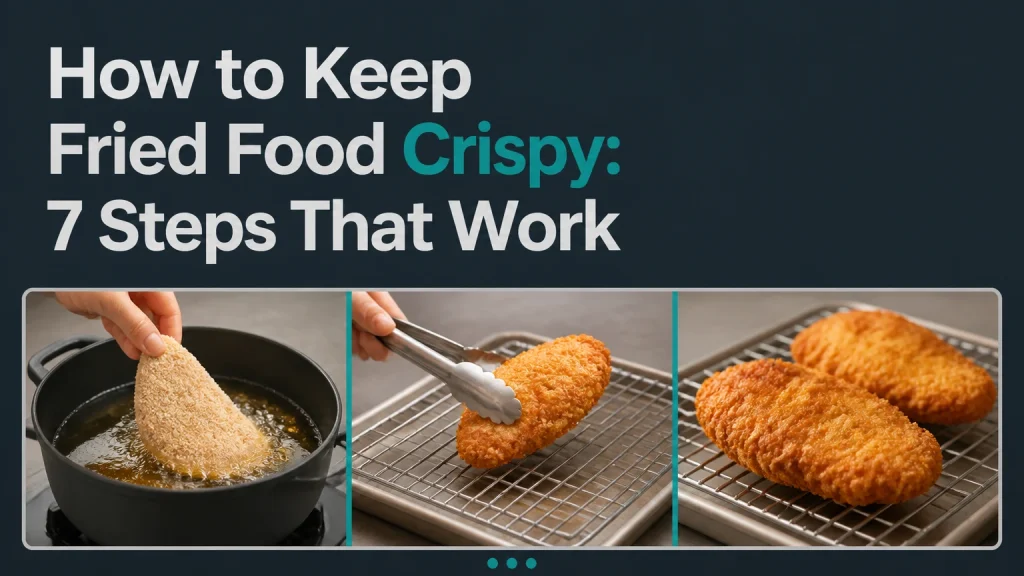
To keep fried food crispy, control moisture before frying, maintain 350-375°F oil, avoid overcrowding, and drain each piece on a wire rack. Hold fried food uncovered or in a vented container, never sealed while hot. The most important factor is preventing steam from condensing inside the crust after cooking. Key Facts at a Glance Why […]
How to Reheat French Fries for Crisp Results
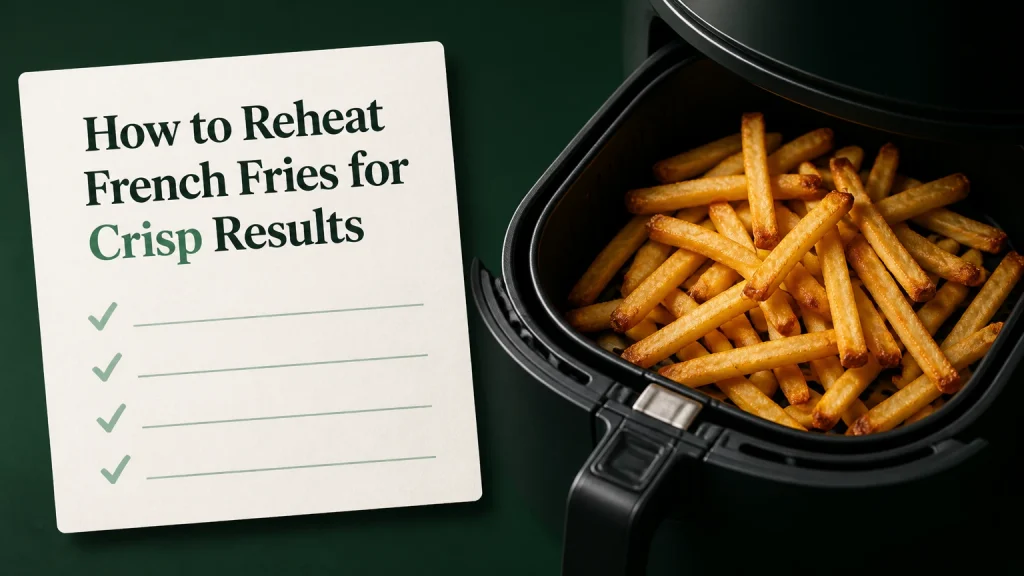
To reheat French fries, use high, dry heat and arrange the leftovers in a single layer so surface moisture can escape. Air-fry them at 375°F for 3-5 minutes, bake them at 425°F for 5-10 minutes, or crisp them in a lightly oiled skillet for 4-6 minutes. Season immediately after heating. Key Facts at a Glance […]
How to Keep Food Crispy When Transporting in 3 Steps
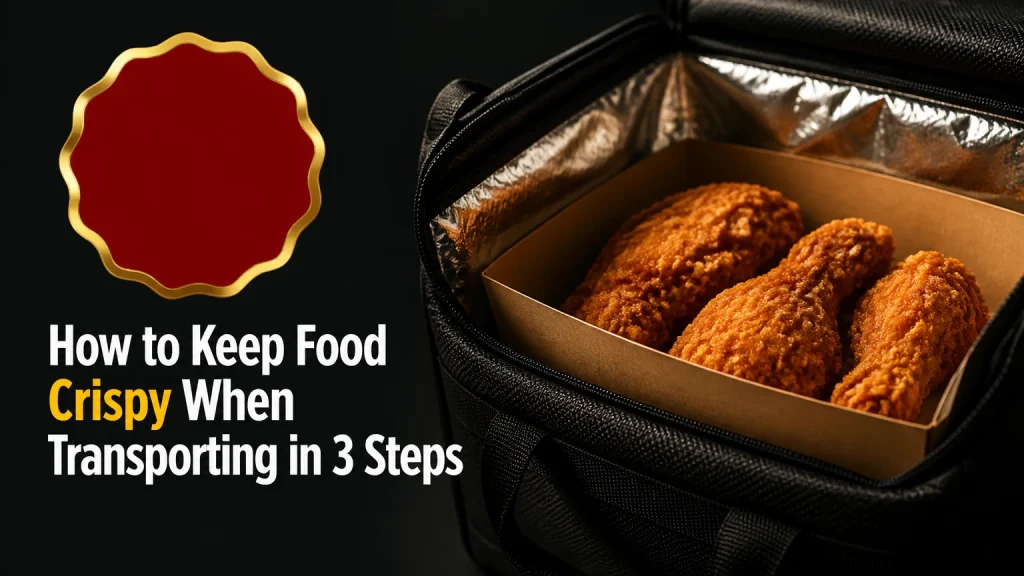
To keep food crispy when transporting, release steam before it condenses, elevate food above grease and moisture, and use a vented container rather than an airtight one. Move fried or baked food to a rack for about 3 minutes, pack it in a single layer, and leave controlled openings for airflow. Key Facts at a […]
Why Does Reheated Food Taste Different? The Science
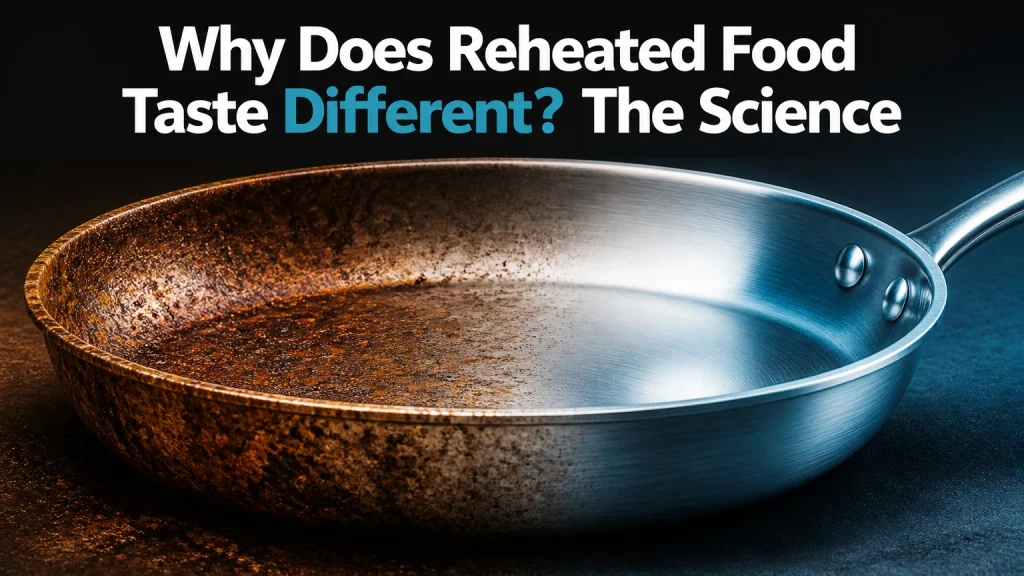
Reheated food tastes different because cooling, storage, and renewed heat change its aromas, fats, water distribution, proteins, and starches. Oxidized fats can create warmed-over flavor in meat, while evaporation removes fresh aromas and heat alters texture. Reheating method, storage time, oxygen exposure, and the food’s original structure determine whether leftovers improve or deteriorate. Key Facts […]