A balanced lunch combines non-starchy vegetables, protein, high-fiber carbohydrates, and a measured source of unsaturated fat in portions that fit your energy needs. The fastest reliable method is to fill half the container with vegetables, add one palm of protein, one fist of carbohydrate, and a small amount of fat, then adjust for appetite and activity.
Key Facts at a Glance
- A practical balanced lunch usually contains 20-35 grams of protein, 5-12 grams of fiber, and at least two kinds of vegetables.
- A half-vegetable, quarter-protein, quarter-carbohydrate plate is a useful visual guide, not a mandatory prescription.
- A typical adult lunch provides about 500-700 calories, but calorie needs vary with body size, age, activity, and health goals.
- Protein, fiber, and fat can slow digestion and improve fullness, but they do not guarantee freedom from an afternoon energy dip.
- A balanced lunch can be assembled without cooking from canned beans, whole-grain bread, bagged salad, eggs, tofu, yogurt, or ready-to-eat chicken.
- Cooked leftovers generally keep for 3-4 days in a refrigerator at 40°F (4°C) or colder, according to USDA food-safety guidance.
What Makes a Lunch Balanced?
A balanced lunch supplies four functional components: vegetables or fruit for micronutrients and fiber, protein for tissue maintenance and fullness, carbohydrate for usable energy, and unsaturated fat for flavor and absorption of fat-soluble nutrients. A meal does not need equal calories from each category.
The Harvard T.H. Chan School of Public Health Healthy Eating Plate places vegetables and fruit over half the visual plate, whole grains at roughly one-quarter, and healthy protein at roughly one-quarter. The model also recommends water and healthy oils in moderation. That framework is more useful than treating one calorie or gram target as universal.
The most important practical rule is inclusion, not perfection. A turkey and bean wrap with peppers, spinach, and olive-oil dressing can be balanced even when the foods are not arranged into four visible quadrants.
Why Does the Combination Improve Fullness?
Protein, viscous fiber, and dietary fat usually produce a slower, more sustained digestion pattern than a meal dominated by refined carbohydrate. Protein-rich foods also provide amino acids needed for muscle and other tissues, while beans, vegetables, oats, and whole grains add fiber that many adults under-consume.
The 2020-2025 Dietary Guidelines for Americans identify fiber-rich vegetables, fruits, whole grains, beans, peas, and lentils as valuable parts of a healthy dietary pattern. Michael Pollan summarized a broader food-quality principle in In Defense of Food (2008): “Eat food. Not too much. Mostly plants.” A balanced lunch applies that principle without excluding animal foods.
The blood-sugar explanation needs precision. A plain bagel may leave some people hungry sooner than a meal containing eggs, vegetables, and yogurt, but “reactive hypoglycemia” is not the automatic result of eating carbohydrate by itself. People with diabetes, diagnosed hypoglycemia, or glucose-lowering medication should individualize meals with a clinician or registered dietitian.
How to Make a Balanced Lunch: The Six-Step Formula
Use the six-step formula below to assemble lunch in about 5-10 minutes from prepared ingredients. The factor that most determines success is having a ready protein source, because vegetables and bread are easy to add but protein often requires cooking.
Before You Start
| Requirement | Typical specification |
|---|---|
| Assembly time | 5-10 minutes from prepared ingredients |
| Batch-prep time | 30-60 minutes for 4 lunches |
| Difficulty | Beginner |
| Container | 4-cup leak-resistant container with separate dressing cup |
| Vegetable quantity | 1.5-2 cups raw or 1 cup cooked |
| Protein quantity | 3-5 ounces cooked, or ¾-1 cup beans or lentils |
| Carbohydrate quantity | ½-1 cup cooked grain, or 1 medium potato, or 1 whole-grain wrap |
| Fat quantity | 1-2 teaspoons oil, ¼ avocado, or 1 tablespoon seeds |
Step 1: Choose the Lunch Format
Select a bowl, wrap, salad, bento box, or reheatable plate before collecting ingredients. The format determines how much food fits and prevents a container from becoming an oversized pile of calorie-dense extras.
For a bowl, start with 1-2 cups of vegetables and add ½-1 cup cooked grains. For a wrap, use one 8- to 10-inch whole-grain tortilla and reduce the grain portion elsewhere. For a bento, separate protein, produce, carbohydrate, and a dip into compartments.
Success checkpoint: The container has enough room for vegetables before calorie-dense toppings are added.
Common mistake: Choosing the format after filling the container, which often leaves too little room for vegetables or protein.
Step 2: Fill Half the Container With Vegetables
Add 1.5-2 cups of non-starchy vegetables, such as spinach, broccoli, cabbage, cucumber, tomatoes, peppers, carrots, mushrooms, or green beans. Use at least two colors when convenient, because color diversity often increases the range of plant foods in the meal.
Fresh, frozen, and canned vegetables can all work. Rinse canned vegetables to reduce some surface sodium, and drain frozen vegetables thoroughly so they do not make a packed lunch watery.
Success checkpoint: Vegetables occupy about half the volume, not merely a garnish beneath a large grain base.
Common mistake: Counting potato, corn, or a large serving of peas as the entire vegetable portion while omitting lower-starch vegetables. These foods still provide nutrients, but they also contribute meaningful carbohydrate.
Step 3: Add a Protein Anchor
Add 3-5 ounces of cooked chicken, turkey, fish, lean beef, tofu, tempeh, eggs, or seitan. Plant-based lunches can use ¾-1 cup lentils, chickpeas, or beans, although legumes contribute both protein and carbohydrate and may need less grain alongside them.
A useful general target is 20-35 grams of protein at lunch. That target is a practical range, not a universal medical requirement. People with higher energy needs may need more, while children, smaller adults, and people with kidney disease may require individualized portions.
Success checkpoint: The protein is visibly substantial enough to be the meal’s anchor rather than a few shreds on top.
Common mistake: Treating cheese, bacon, or deli meat as the only protein. They can contribute protein, but processed meats may also add substantial sodium and saturated fat.
Step 4: Add a High-Fiber Carbohydrate
Add ½-1 cup cooked quinoa, brown rice, farro, barley, or whole-wheat pasta; one medium sweet potato; two slices of 100% whole-grain bread; or one whole-grain wrap. Choose the portion according to hunger, physical activity, and the other carbohydrate foods in the meal.
Whole grains retain more of the grain structure than refined grains and usually provide more fiber. Beans and lentils count here as well as in the protein category, so a lentil bowl may need only a small grain serving.
Success checkpoint: The carbohydrate portion resembles a cupped hand or a closed fist, rather than filling most of the container.
Common mistake: Removing carbohydrates entirely to make lunch “clean.” That can leave an active person under-fueled and may shift hunger toward sweets later in the day.
Step 5: Add a Measured Unsaturated Fat
Use one tablespoon of vinaigrette, ¼ avocado, one tablespoon of tahini, 1-2 tablespoons of seeds, or a small handful of walnuts or almonds. Fat improves flavor and helps absorb vitamins A, D, E, and K, but oils, nuts, seeds, cheese, and avocado can raise calories quickly.
A dressing made with two teaspoons of extra-virgin olive oil, one tablespoon of vinegar, mustard, and herbs adds flavor without turning the lunch into a dressing-based meal. Keep dressing separate if the lunch will sit for several hours.
Success checkpoint: The fat is measured before it enters the container.
Common mistake: Adding oil by free-pouring. One tablespoon of oil contains about 120 calories, so an unmeasured pour can double the intended amount.
Step 6: Add Flavor and Pack Safely
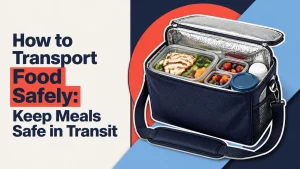
Finish with lemon juice, salsa, herbs, spices, vinegar, plain yogurt sauce, or a small amount of low-sodium soy sauce. Pack perishable food in an insulated bag with at least two cold sources when refrigeration is unavailable.
USDA guidance recommends refrigerating perishable food within two hours, or within one hour when temperatures exceed 90°F (32°C). Reheat leftovers to 165°F (74°C), and use a food thermometer for thick dishes such as chicken, rice bowls, and casseroles.
Success checkpoint: The meal remains below 40°F (4°C) until refrigeration or reaches 165°F (74°C) when reheated.
Common mistake: Packing hot food in a sealed container and leaving it at room temperature. Steam does not make food safe.
Which Foods Build the Best Balanced Lunch?
The best ingredients are the ones that provide the needed component without creating a portion problem. The table below compares practical choices by serving, protein, preparation, and typical cost.
| Food | Practical serving | Approximate protein | Typical preparation | Typical cost per serving |
|---|---|---|---|---|
| Cooked chicken breast | 4 oz | 30-35 g | Batch-cook 20-25 minutes | $1.25-$2.25 |
| Canned tuna in water | 1 can, 5 oz drained | 25-30 g | Drain and mix in 3 minutes | $1.00-$2.00 |
| Firm tofu | 5 oz | 15-20 g | Bake 25 minutes or use ready-to-eat | $0.90-$1.60 |
| Lentils | 1 cup cooked | 17-18 g | Simmer 20-30 minutes or buy cooked | $0.40-$1.20 |
| Plain Greek yogurt | ¾ cup | 15-20 g | No cooking | $0.80-$1.50 |
| Quinoa | ¾ cup cooked | 6 g | Simmer 15 minutes | $0.60-$1.25 |
| Brown rice | ¾ cup cooked | 4-5 g | Batch-cook 35-45 minutes | $0.30-$0.80 |
| Whole-grain bread | 2 slices | 7-10 g | No cooking | $0.40-$1.00 |
How Much of Each Component Should You Use?
For many adults, 3-5 ounces of protein, ½-1 cup cooked carbohydrate, and 1.5-2 cups vegetables create a workable lunch. A person with a physically demanding job may need the upper end of the carbohydrate range, while someone with low appetite may prefer a smaller meal plus a planned snack.
| Lunch goal | Protein | Carbohydrate | Vegetables | Fat |
|---|---|---|---|---|
| Lower-energy office lunch | 3-4 oz | ½ cup cooked | 2 cups | 1 tsp |
| General adult lunch | 4 oz | ¾ cup cooked | 1.5-2 cups | 2 tsp |
| Active training day | 4-6 oz | 1-1.5 cups cooked | 1.5 cups | 1-2 tbsp |
| Vegetarian lunch | ¾-1 cup legumes plus tofu or yogurt | ½-¾ cup cooked | 1.5-2 cups | 1-2 tsp |
| Child-size lunch | 1-2 oz | ¼-½ cup | ½-1 cup | 1 tsp |
Calorie totals cannot be inferred exactly from plate volume. A bowl with avocado, nuts, oil, cheese, and a large grain serving may contain twice the calories of a bowl with the same vegetables and lean protein. Nutrition labels, recipe software, or a dietitian provide better estimates when medical or weight-related precision matters.
What Are the Fastest Balanced Lunch Formats?
Bowl, wrap, bento, and reheated stir-fry formats can all be balanced. The best choice depends on available equipment, portability, texture tolerance, and whether ingredients are already cooked.
| Format | Assembly time | Typical protein source | Main advantage | Main limitation |
|---|---|---|---|---|
| Grain bowl | 5-8 minutes | Chicken, tofu, beans | Easy to batch-pack | Grain portions can grow too large |
| Whole-grain wrap | 5 minutes | Tuna, turkey, hummus plus tofu | Portable and compact | Can become sodium-heavy |
| Bento box | 3-6 minutes | Eggs, yogurt, edamame | Requires no reheating | May need a separate fiber-rich side |
| Stir-fry leftovers | 7-10 minutes | Chicken, shrimp, tempeh | Uses cooked vegetables efficiently | Needs microwave access |
| Large salad | 5-8 minutes | Salmon, beans, chicken | High vegetable volume | Dressing and toppings need measurement |
A salad is not automatically lighter or more balanced than a sandwich. A salad containing 4 ounces of chicken, beans, vegetables, whole-grain croutons, and two teaspoons of vinaigrette can be substantial; a salad of lettuce, cheese, candied nuts, and creamy dressing may be calorie-dense while providing little protein.
How Can You Make Lunch Without Cooking?
A no-cook balanced lunch requires one ready protein, one whole-food carbohydrate, two produce items, and one measured fat or dip. A supermarket version can combine a drained tuna pouch, whole-grain crackers, baby carrots, cherry tomatoes, and a small avocado.
Other workable combinations include plain Greek yogurt with berries, oats, and walnuts; a whole-grain wrap with ready-to-eat tofu, bagged greens, salsa, and hummus; or low-sodium chickpeas with prewashed greens, microwaveable quinoa, and lemon dressing.
Read labels on convenience foods. Sodium often rises through canned soups, deli meats, packaged sauces, and flavored grain bowls. A practical screening rule is to compare products within the same category and select the lower-sodium option when taste and price are similar.
What Changes for Weight Loss, Muscle Gain, or High Activity?
A balanced lunch does not require a fixed calorie number for every goal. Weight loss generally depends on a sustained energy deficit across the full day, while muscle gain and endurance training may require larger portions and more total carbohydrate.
For a lower-energy lunch, keep vegetables at two cups, choose 3-4 ounces of lean protein, use ½ cup cooked grains, and measure one teaspoon of oil. For muscle-supportive eating, use 25-40 grams of protein when appropriate, add a larger grain or potato serving, and distribute protein across the day rather than concentrating it at dinner.
Active people should not automatically copy a sedentary office worker’s carbohydrate portion. A cyclist riding after work may benefit from 1-1.5 cups of cooked grains at lunch, while someone seated most of the afternoon may prefer ½ cup plus fruit if hunger is lower.
Vegetarian, Vegan, and Gluten-Free Swaps
Vegetarian lunches can use eggs, Greek yogurt, cottage cheese, tofu, tempeh, edamame, lentils, and beans. Vegan lunches need a deliberate protein anchor, since vegetables and grains alone may produce a meal with less protein than intended.
For gluten-free meals, use quinoa, brown rice, potatoes, corn tortillas, certified gluten-free oats, or buckwheat. People with celiac disease must also check labels and preparation surfaces for cross-contact, especially with sauces, deli counters, and shared toasters.
Dairy-free lunches can replace yogurt sauces with tahini, hummus, blended white beans, or unsweetened soy yogurt. Soy yogurt typically supplies more protein than coconut-based yogurt, so the nutrition label matters more than the product name.
What Does a Balanced Lunch Cost and How Long Does It Take?
A homemade balanced lunch typically costs $2.50-$6.00 per serving and takes 3-20 minutes on the day, depending on whether protein and grains are already cooked. Batch preparation lowers active weekday time but requires safe cooling, refrigeration, and a realistic plan for using leftovers.
| Preparation method | Active time | Typical cost per lunch | Storage approach | Best use |
|---|---|---|---|---|
| Batch-cooked bowl | 45-60 minutes weekly | $3.00-$5.50 | Refrigerate 3-4 days | Four weekday lunches |
| No-cook supermarket lunch | 3-8 minutes | $4.00-$8.00 | Keep chilled | Office or travel days |
| Fresh stir-fry | 15-20 minutes | $3.50-$7.00 | Eat immediately | Remote work |
| Café salad or bowl | 5-15 minutes | $10.00-$18.00 | Eat immediately | No kitchen access |
| Leftover dinner plate | 2-5 minutes | $2.50-$6.00 | Reheat to 165°F | Budget control |
For four lunches, cook 2 pounds of chicken or tofu, 3 cups of dry grain, and enough vegetables to yield about eight cups cooked or raw portions. Portion immediately after food cools enough for safe handling, then refrigerate within two hours.
What Common Lunch Mistakes Need Fixing?
Most unbalanced lunches fail through omission, portion drift, or storage errors rather than a single “bad” ingredient. Fix the missing component first instead of rebuilding the entire meal.
- A carbohydrate-only lunch: Add Greek yogurt, eggs, tuna, tofu, beans, or nut butter. An apple and peanut butter is more sustaining than an apple alone, but the combination still may need vegetables or another protein source for a full lunch.
- A salad with too little protein: Add 3-5 ounces of chicken, fish, tofu, tempeh, or ¾ cup beans. Keep creamy dressing, cheese, and candied nuts measured rather than banning them.
- A tiny restriction-based lunch: Add ½-1 cup of whole grains, beans, or potato when hunger returns quickly. A lunch below 400 calories is not automatically wrong, but persistent afternoon cravings may indicate insufficient total food.
- A grain bowl dominated by rice: Reduce cooked rice to ½-1 cup and add another cup of vegetables plus a clear protein portion. The bowl should not have a deep layer of grain hidden underneath toppings.
- A high-sodium convenience lunch: Choose no-salt-added beans, rinse canned foods, use fresh or frozen vegetables, and replace processed meat with eggs, tofu, chicken, or unsalted fish.
- A soggy packed lunch: Store dressing separately, cool cooked grains before sealing, and place wet ingredients below or beside leafy greens rather than directly on them.
A useful practitioner rule is to inspect the lunch before eating: identify the protein, the vegetable volume, the carbohydrate portion, and the fat source. If one category is missing, add it before reducing another category.
Balanced Lunch Examples
These examples show how the formula works with common constraints. Quantities are typical starting points, not clinical prescriptions.
| Example | Ingredients | Approximate nutrition | Time |
|---|---|---|---|
| Chicken grain bowl | 4 oz chicken, ¾ cup quinoa, 2 cups vegetables, 2 tsp olive oil | 500-650 calories, 35-40 g protein | 7 minutes |
| Lentil wrap | ¾ cup lentils, whole-grain wrap, spinach, peppers, 1 tbsp tahini | 450-600 calories, 20-25 g protein | 8 minutes |
| Tuna bento | 1 tuna can, 2 slices whole-grain bread, carrots, cucumber, ¼ avocado | 450-600 calories, 30-35 g protein | 5 minutes |
| Tofu rice plate | 5 oz tofu, ¾ cup brown rice, 1.5 cups broccoli, 1 tsp sesame oil | 450-600 calories, 20-28 g protein | 10 minutes |
| Yogurt lunch box | ¾ cup Greek yogurt, oats, berries, walnuts, boiled egg, raw vegetables | 450-600 calories, 25-35 g protein | 6 minutes |
The estimates vary by brand, cooking method, and oil quantity. Use package labels when a medical condition, sports plan, or calorie target requires accuracy.
FAQ
Can a sandwich be a balanced lunch?
A sandwich can be balanced when it contains a substantial protein filling, whole-grain bread, vegetables, and a measured spread. Use 3-5 ounces of chicken, tuna, tofu, egg, or beans; add leafy greens and other vegetables; then pair the sandwich with fruit or raw vegetables if the filling does not provide enough produce.
Is fruit enough for lunch?
Fruit alone usually provides carbohydrate, water, and some fiber, but it often supplies too little protein and total energy for a complete lunch. Pair fruit with Greek yogurt, cottage cheese, eggs, tofu, nuts, or a bean-based meal, then add whole grains when hunger or activity demands a larger lunch.
How much fiber should lunch contain?
A practical lunch target is about 5-12 grams of fiber, although daily needs depend on age and sex. The U.S. Food and Drug Administration uses 28 grams per day as the Daily Value for fiber on current Nutrition Facts labels. Beans, lentils, vegetables, berries, oats, and whole grains help reach that total.
What is a balanced lunch for children?
A child’s balanced lunch uses smaller portions and familiar foods rather than adult calorie targets. Offer one protein food, one whole-grain or starchy food, a fruit or vegetable, and water or milk, with portions adjusted to age, appetite, growth, and school activity.
Can people with diabetes use the half-plate method?
People with diabetes can often use the half-vegetable, quarter-protein, quarter-carbohydrate method as a starting framework, but medication, glucose response, and carbohydrate tolerance differ. A certified diabetes care and education specialist or registered dietitian can adjust carbohydrate grams and meal timing to the person’s treatment plan.
How far ahead can you prepare lunch?
Most cooked lunches are best prepared for 3-4 refrigerated days when stored at 40°F (4°C) or colder. Freeze extra portions when practical, keep cut produce chilled, and discard perishable food left at room temperature for more than two hours, or one hour above 90°F (32°C).
The Bottom Line
To make a balanced lunch, fill about half the container with non-starchy vegetables, add 3-5 ounces of protein, include ½-1 cup of high-fiber carbohydrate, and measure one small portion of unsaturated fat. The formula works for bowls, wraps, salads, bento boxes, leftovers, and no-cook meals. Adjust the portions for appetite, activity, budget, and medical needs rather than treating the visual plate as a rigid rule. A balanced lunch is practical when the protein is ready, the vegetables are plentiful, and the carbohydrate portion matches the rest of the day.